
Key points:
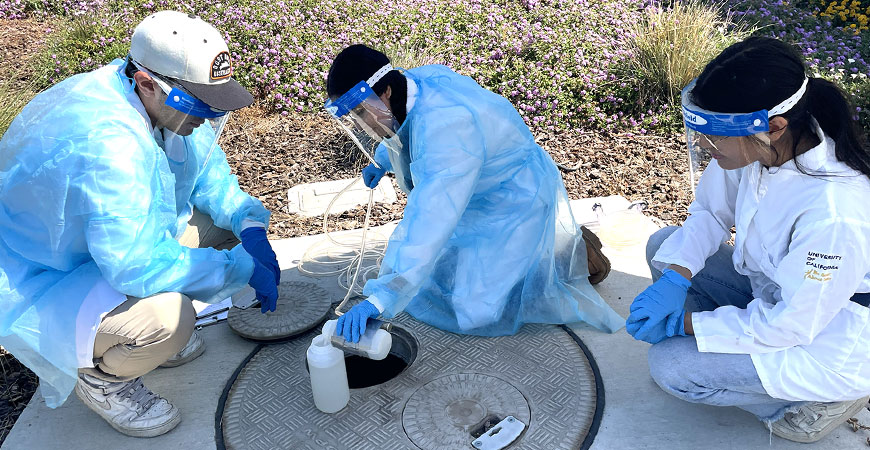
Researchers successfully tested a technique that uses human sewage to measure the use of nicotine products such as cigarettes and vaping pens in a selected community.
The project, led by scientists at UC Merced, can strengthen public health efforts by supplementing...
Environment
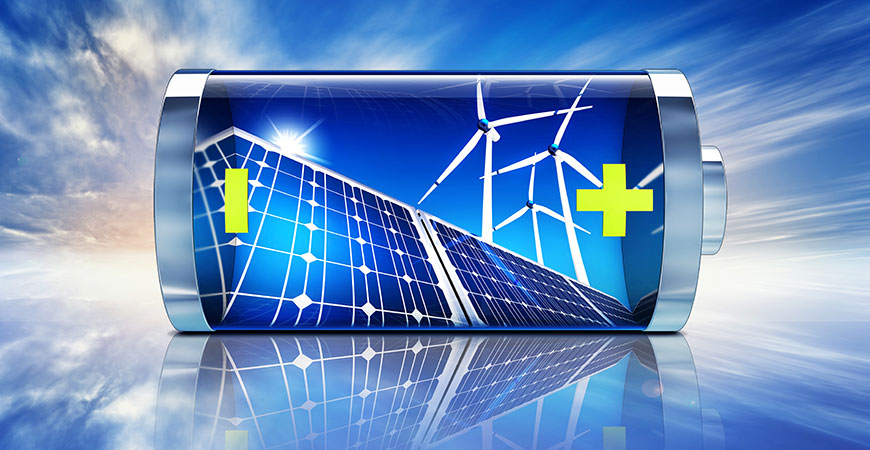
California’s leaders want the state to reach 100 percent clean energy in the future, including being 60 percent powered by renewable energy by 2030 and being free of fossil fuels entirely by...
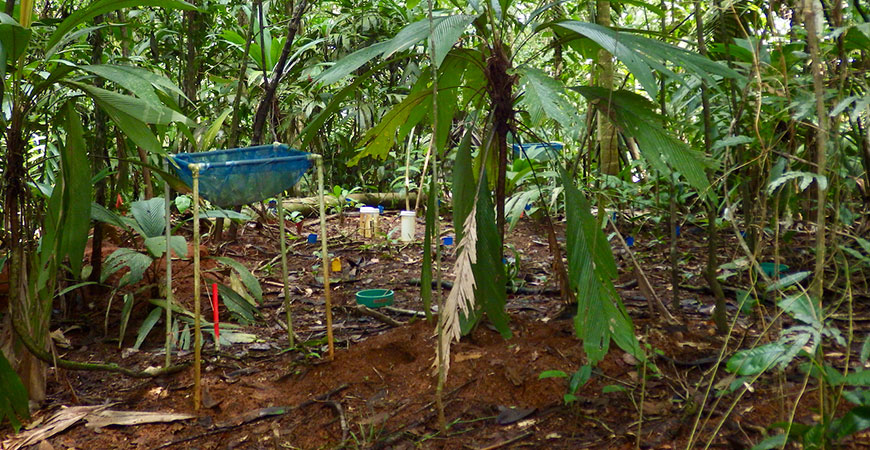
It is said that rainforests are the Earth’s lungs, capturing carbon dioxide from the atmosphere, building it into lush vegetation and releasing oxygen and water back into the air.
But every...
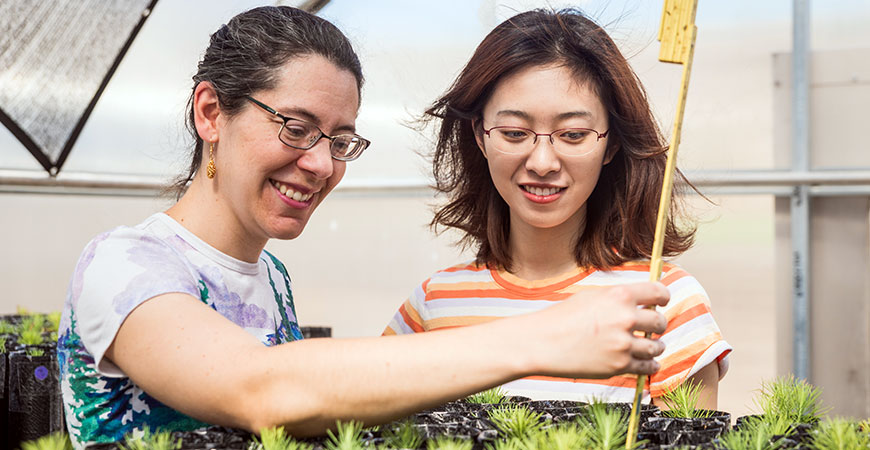
Wildfire seasons are intensifying because of climate change. That means reforestation efforts will increase, making it important for scientists and resource managers to understand how to make sure...
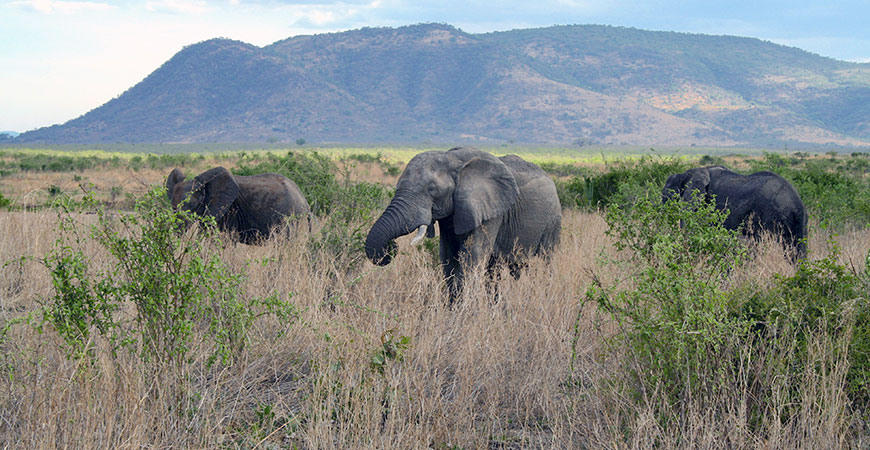
When people think of engineering in nature, they tend to think of species such as beavers — the tree-felling, dam-building rodents whose machinations can shape the landscape by creating lakes...
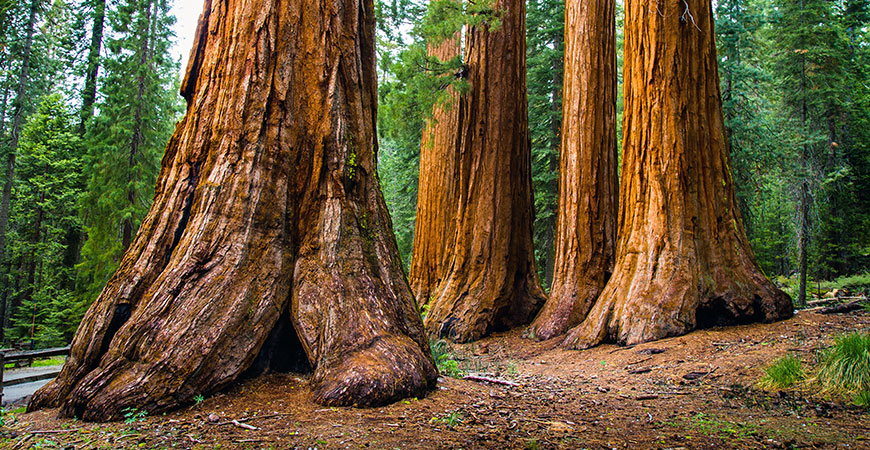
There’s a whole world of activity beneath your feet. Soil holds a large proportion of Earth's biodiversity, and is the place where organisms interact with each other and with plants,...

By 2050, the U.S. population is estimated to grow to 400 million, and the world population to 9.1 billion, requiring a 70 percent increase in global food production.
UC Merced is one of four...
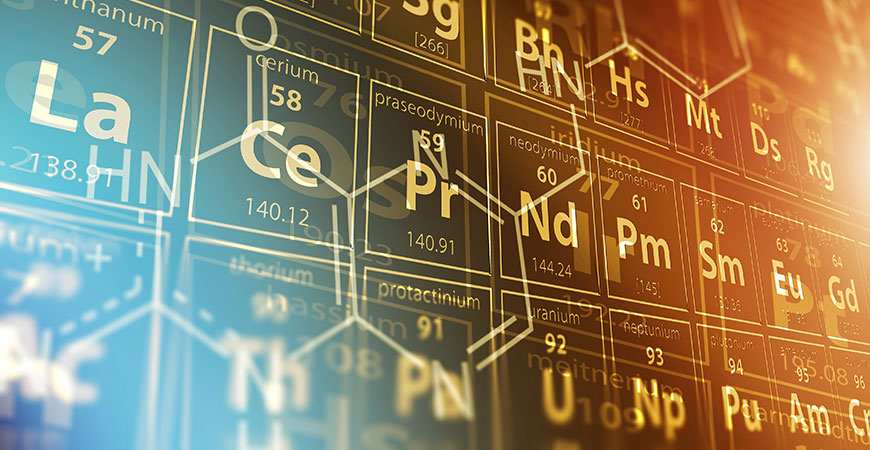
Scientists know the whats and whys of using light, heat and electricity to direct chemical reactions toward an end goal. What’s less well understood are the effects mechanical force can have on...

Forest-management actions such as mechanical thinning and prescribed burns don’t just reduce the risk of severe wildfire and promote forest health — these practices can also contribute to...
Superficial media coverage of California’s Sustainable Groundwater Management Act (SGMA) could discourage democratic engagement on resource-management issues by having focused on relatively few...
Pages


