
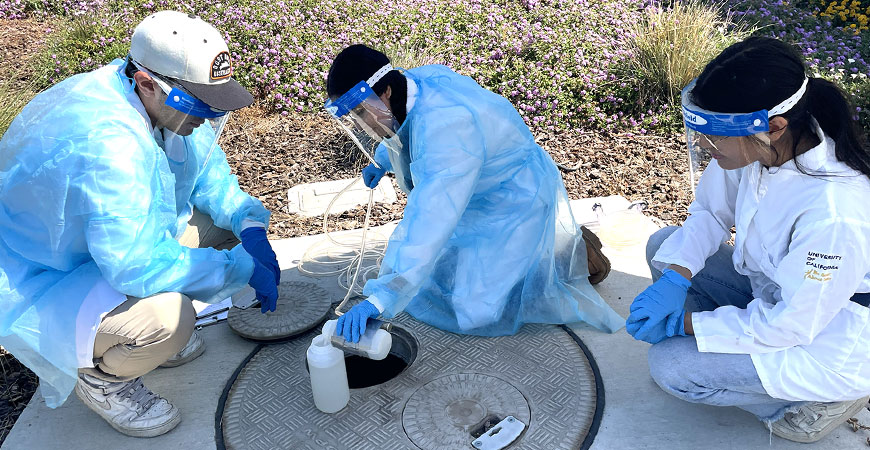
Key points:
Researchers successfully tested a technique that uses human sewage to measure the use of nicotine products such as cigarettes and vaping pens in a selected community.
The project, led by scientists at UC Merced, can strengthen public health efforts by supplementing...
Environment
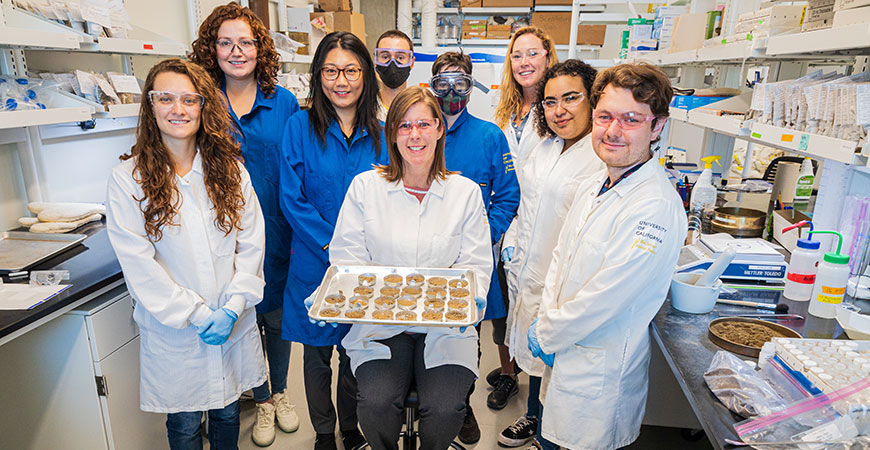
Professor Rebecca Ryals has made campus history by being named UC Merced’s inaugural Presidential Chair in Climate Change. The appointment was recommended by her peers and Dean Betsy Dumont...
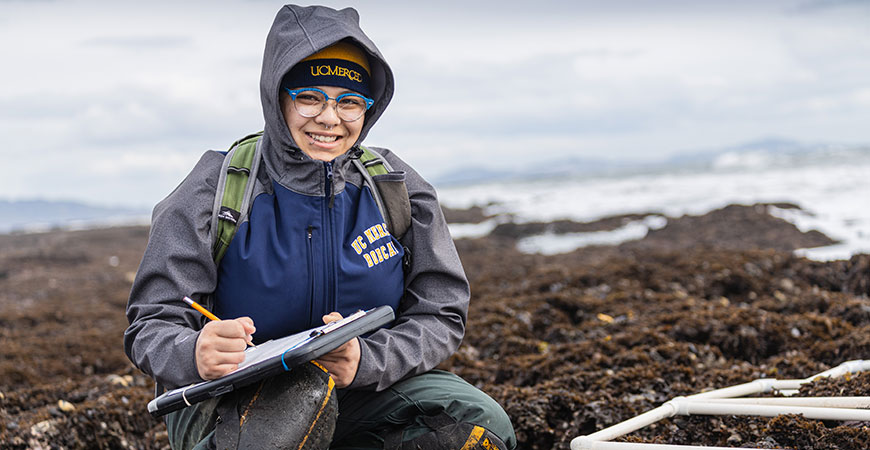
It's time for the campus and the community to celebrate UC Merced’s high-level research during Research Week, March 6 through 10.
The annual research showcase, hosted by the Office of...
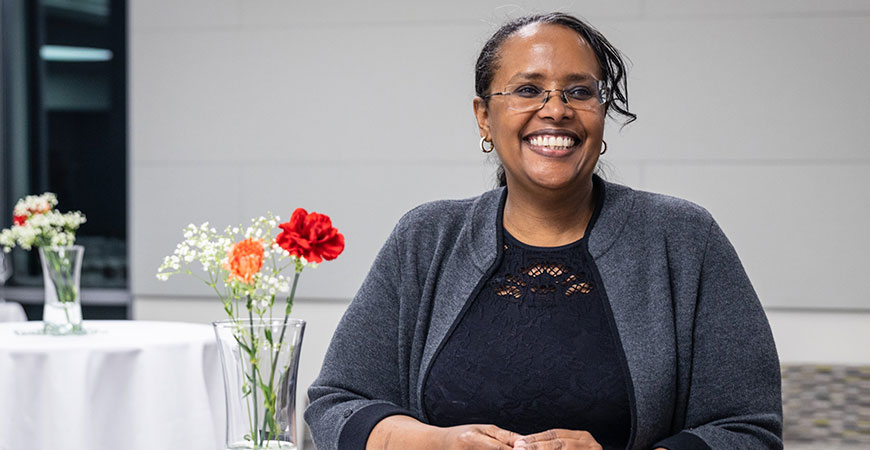
Soil biogeochemistry Professor Asmeret Asefaw Berhe — who is on leave from UC Merced while she serves as federal director of the Office of Science for the Department of Energy — has...
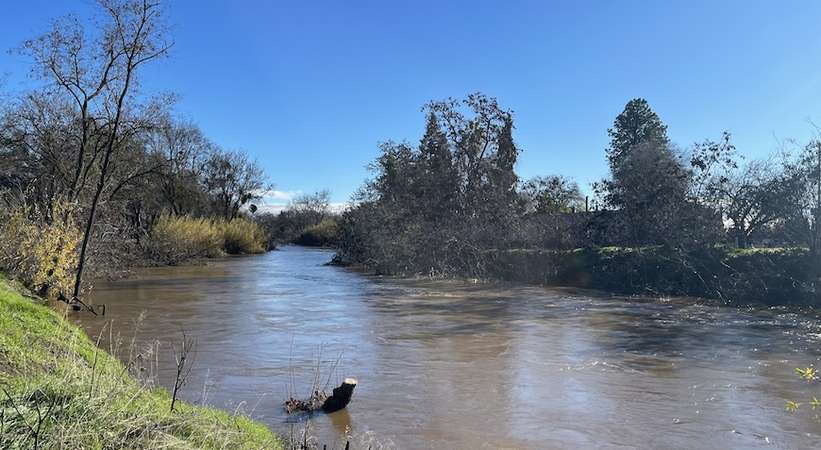
In the wake of record-breaking rain and snow this winter, experts have cautioned that despite the deluge, California remains in a drought.
The United States Drought Monitor shows much of...
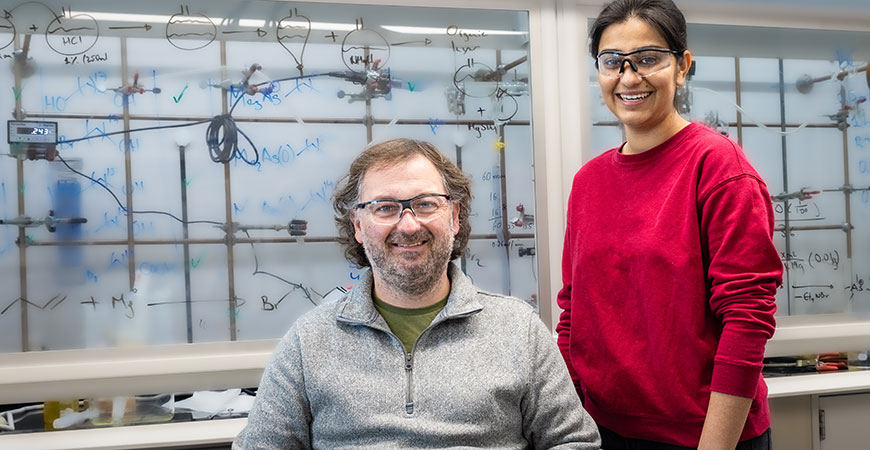
Carbon dioxide (CO2) is a greenhouse gas that is contributing to irreversible climate change. Scientists know how to capture CO2, and they know how to transform it into useful molecules and materials...
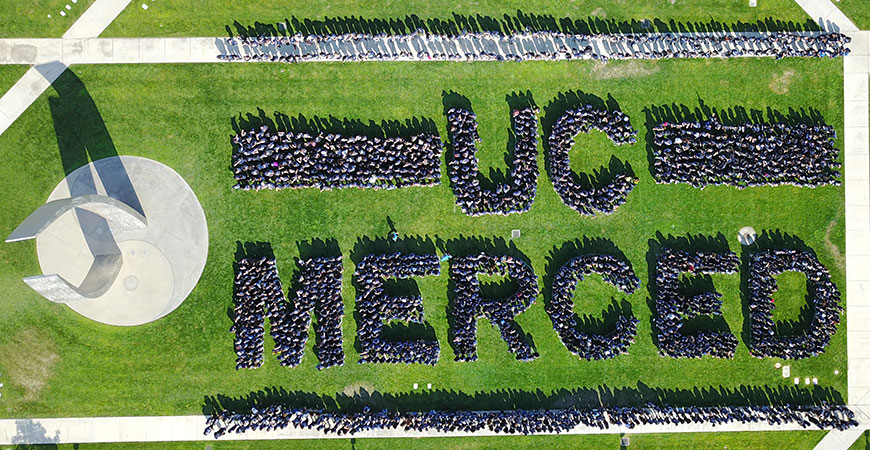
For the first time, UC Merced faculty members from each of the campus’s three schools have been chosen as principal investigators on some of the 21 exciting new projects that are being funded...
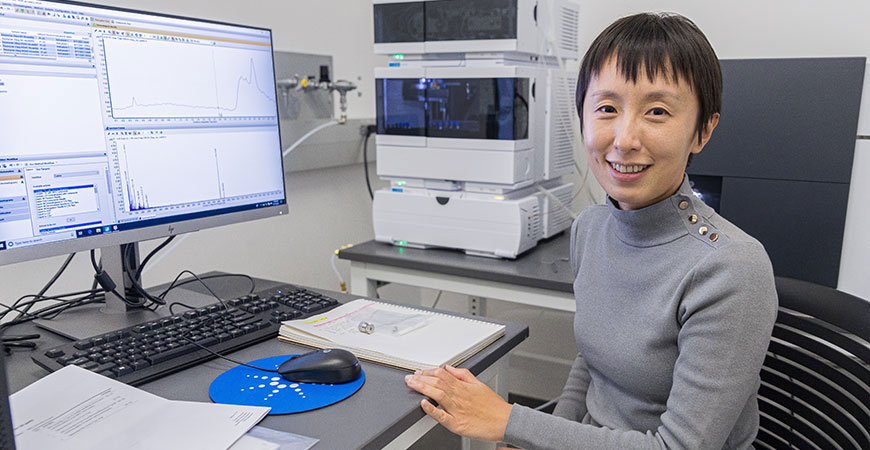
Although climate change is still a very real challenge, the past decades of efforts to reduce the effects of human activities on the atmosphere have been potent enough to have thrown off the models...
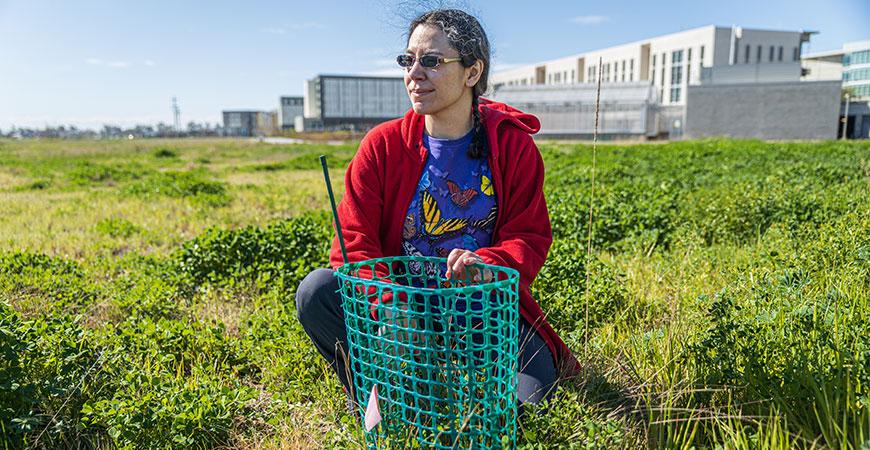
Life and Environmental Sciences Professor Emily Moran and collaborators at several other universities are set to conduct a continental-scale analysis of climate change effects on tree reproduction...
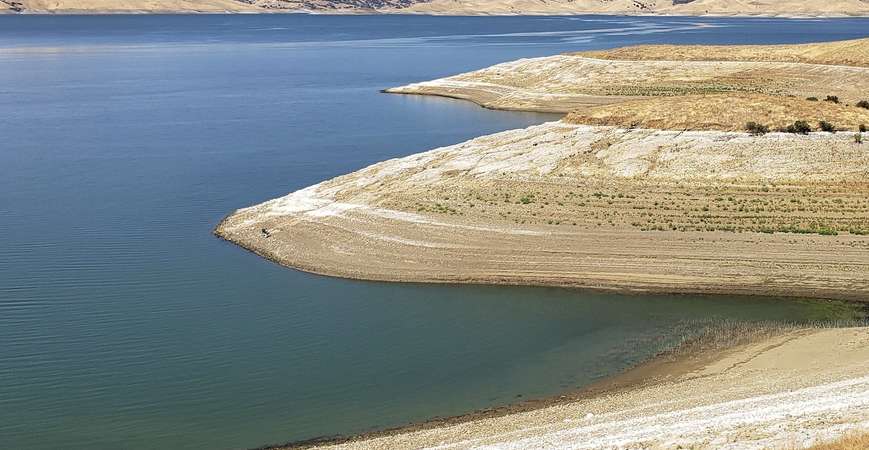
Longtime UC Merced supporter and institutional partner the David and Lucile Packard Foundation has made a significant gift to the campus that will catalyze research efforts and scientific...
Pages


