
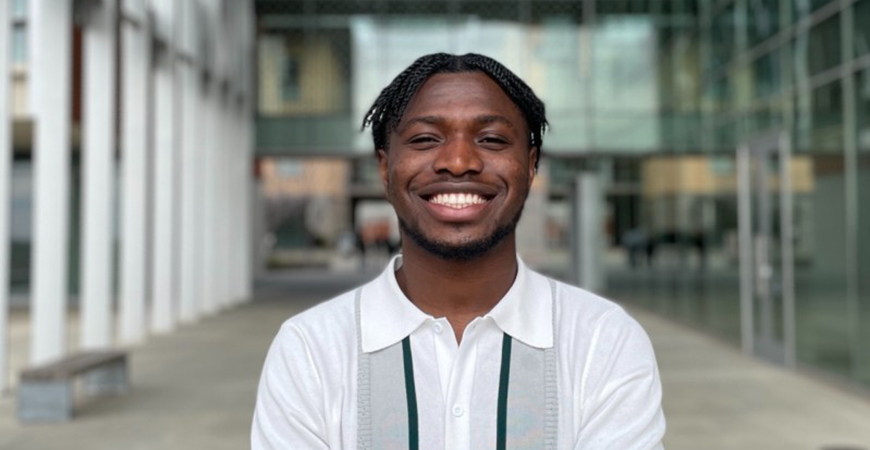
UC Merced doctoral candidate Adekunle “Kunle” Adewole has been selected as a 2026 Lindau Nobel Laureate Meetings Fellow.
Adewole was also chosen as one of 18 participants in the Baden-Württemberg International Post Meeting Programme for Young Scientists.
“I keenly...
School of Natural Sciences
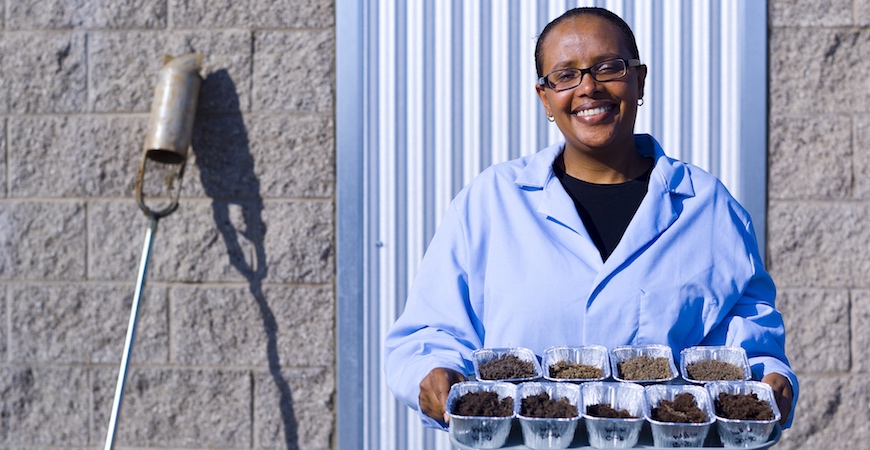
Professor Asmeret Asefaw Berhe is a biogeochemist who studies the impact of climate change on Sierra Nevada soils. She’s also active in efforts to recruit and retain women in science,...
A new study published in the journal Science may have major implications for the future of water purification.
Professor Aleksandr Noy and his research team at Lawrence Livermore National Lab found...
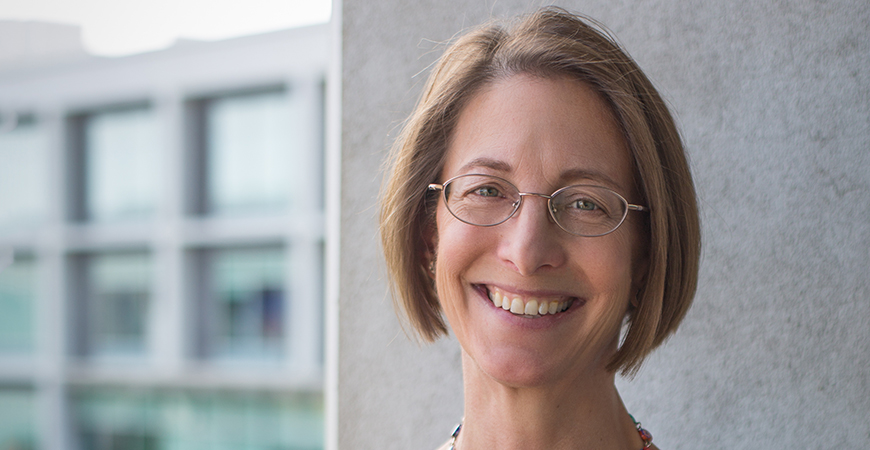
Elizabeth (Betsy) Dumont joins UC Merced today as the newest dean of the School of Natural Sciences. She’s the third dean in the school’s history and the second woman to serve in this...
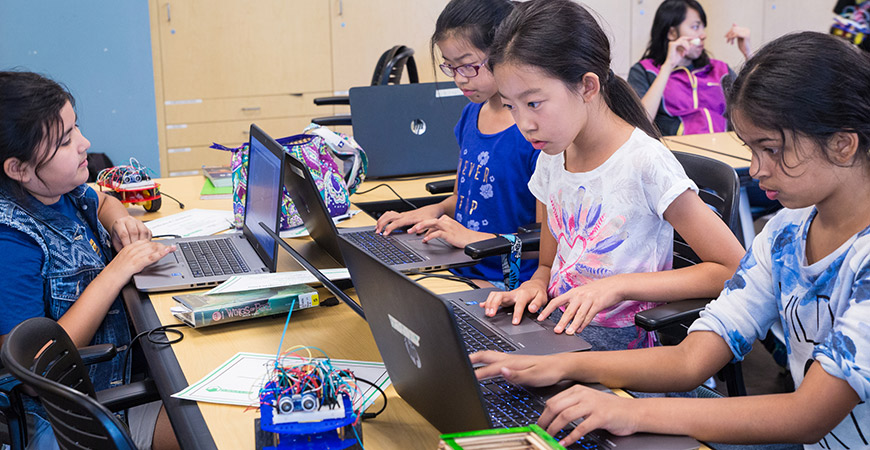
The leap from high school to college is an enormous intellectual hurdle. But UC Merced engineering Professor Yanbao Ma wants to ease the transition by better preparing Central Valley students for the...

Subalpine meadows are among the Sierra Nevada’s most enchantingly picturesque landscapes. These sparsely wooded, grassy expanses are home to plants and animals found nowhere else, and they play an...
UC Merced Professor Marcos Garcia-Ojeda and lecturer Kamal Dulai have received Macmillan Travel Awards to learn how to bring more effective teaching into the STEM classroom.
The $500 awards cover...
Patricia LiWang was at an impasse.
It was 2011 and the UC Merced professor’s research group had figured out how to make some of the most potent HIV inhibitors even more powerful. LiWang was thrilled...
UC Merced’s branch of the Blum Center for Developing Economies rebooted this spring with a faculty-led effort to spend two years working on becoming the hub for all food-security-related research and...
More than 1,200 undergraduate and graduate students are expected to participate in the University of California, Merced’s 12th commencement ceremonies this weekend — its largest class...
Pages


