
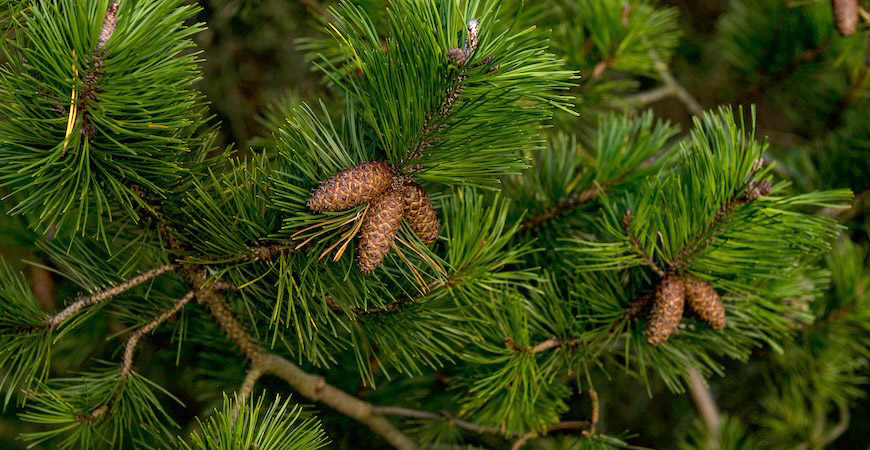
Everyone recognizes the sharp, clean fragrance of pine needles.
But that's not just a pine forest or a Christmas tree we're smelling - it's the aroma of thousands of microscopic partners working quietly on every needle, helping shape the health of entire forests...
Research Excellence
Daily cycles in virtually every aspect of our physiology are driven by biological clocks (also called circadian clocks) in our cells. The cyclical interactions of clock proteins keep the biological...

A new study by faculty members and students in UC Merced's Department of Cognitive and Information Sciences takes a closer look at the sympathy people have for one another. The...

It's no surprise that a good night's rest is one of the most important factors for a person's well-being, but not everyone can say they have the luxury of being able to sleep for eight...

Cartilaginous fishes such as sharks and skates have a sixth sense, but it’s not ESP — it’s electrosense. Such fishes use hundreds or thousands of specialized organs to sense prey...

UC Merced's Health Sciences Research Institute (HSRI) has been awarded a $1.2 million grant to study the effects of vehicle emissions on public health and the environment. This award is part...
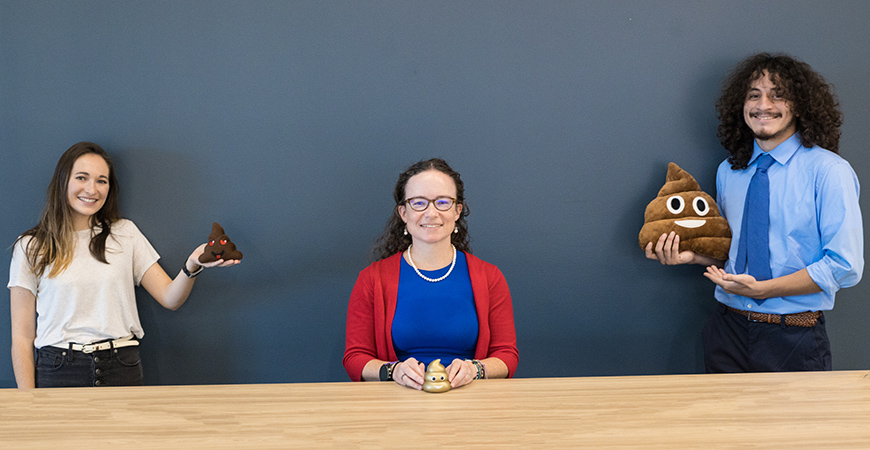
As the number of cases of COVID-19 surge again globally as a result of the delta variant, world leaders are searching for ways to make more informed decisions on how to contain the pandemic....

Some scientific discoveries are a happy accident (think: penicillin). Others have been there all along, they just take a keen eye to notice, which was recently the case in Professor Joel Spencer...

The over the counter, “safe,” organic-compliant insecticides people purchase at home-improvement stores could be causing a problem that goes far beyond the vegetable garden or farm field...
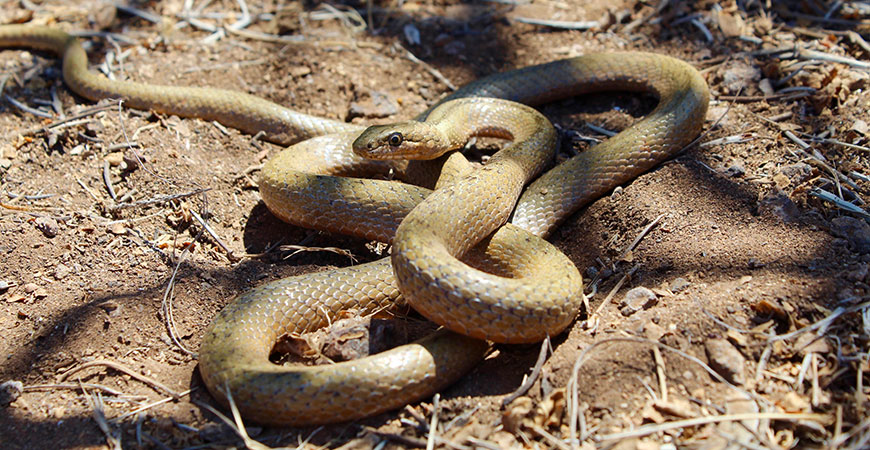
It has been 186 years since Charles Darwin collected the samples of the Galapagos Islands species that led to his explanation of how the diversity of life on Earth has evolved and forever changed the...
Pages


