
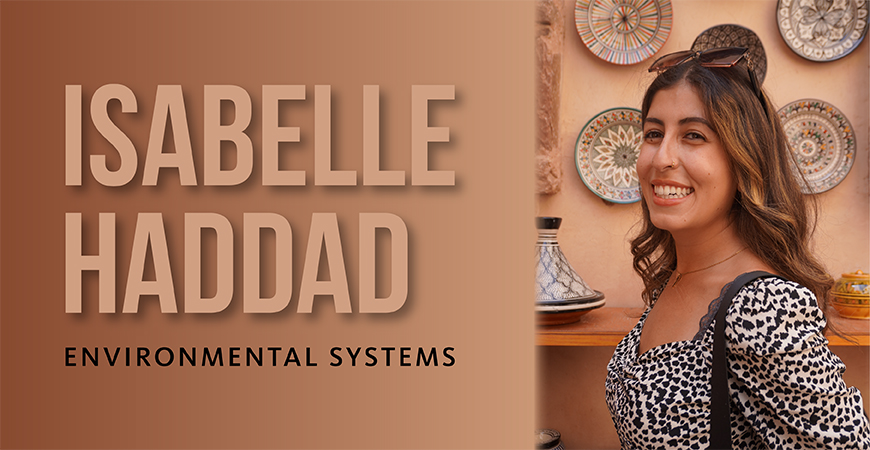
When Isabelle Haddad, a Ph.D. candidate in Environmental Systems, looks ahead to the next chapter, her future is already coming into focus.
The New York native participated in commencement in May and will defend her dissertation in August. She will then begin a one-year, full-time position on...
Earth Systems Science
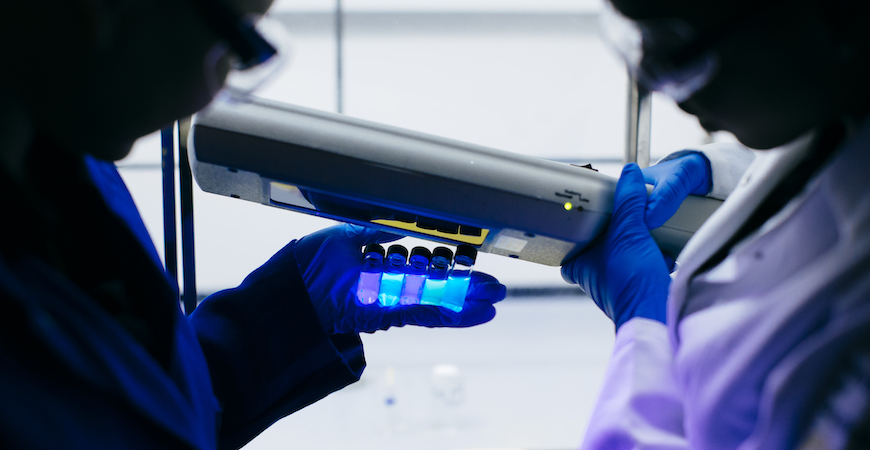
For the first time, UC Merced’s doctoral programs in the sciences have been ranked among the best in the nation, according to U.S. News & World Report’s 2019 edition of Best Graduate...

Five UC Merced students brought home awards for their research at this year’s Society for Advancement of Chicanos/Hispanics and Native Americans in Science (SACNAS) Diversity in STEM conference...
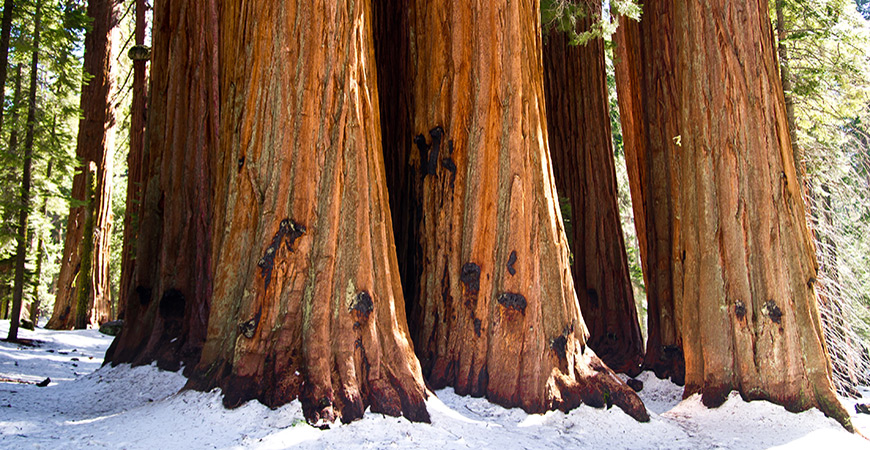
A new study published online in the Journal of Geophysical Research: Biogeosciences finds that the giant sequoia, a fixture of California’s Sierra Nevada forests for the past 2.6 million years...
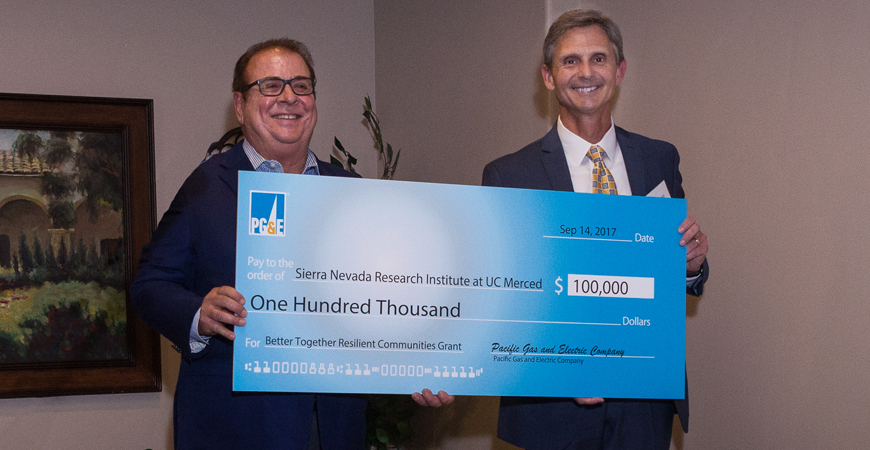
A team of UC Merced researchers was recently awarded $100,000 from Pacific Gas and Electric Company (PG&E) to identify ways to improve drought resilience and reduce the risk of wildfire in Sierra...
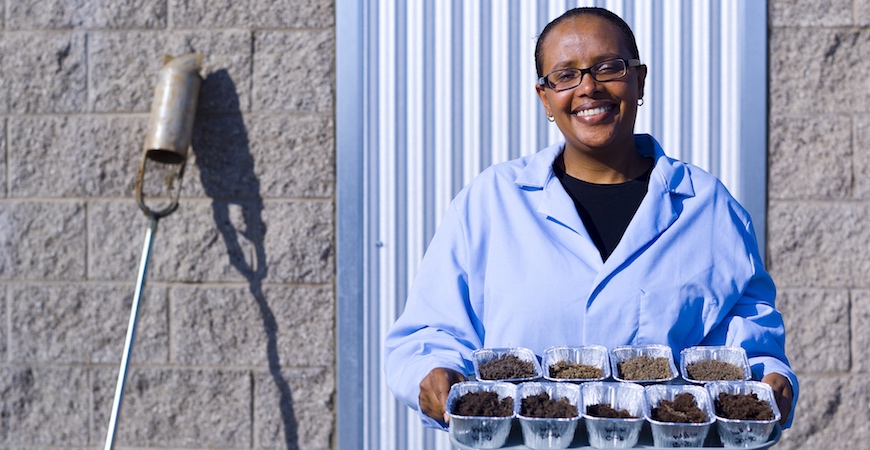
Professor Asmeret Asefaw Berhe is a biogeochemist who studies the impact of climate change on Sierra Nevada soils. She’s also active in efforts to recruit and retain women in science,...
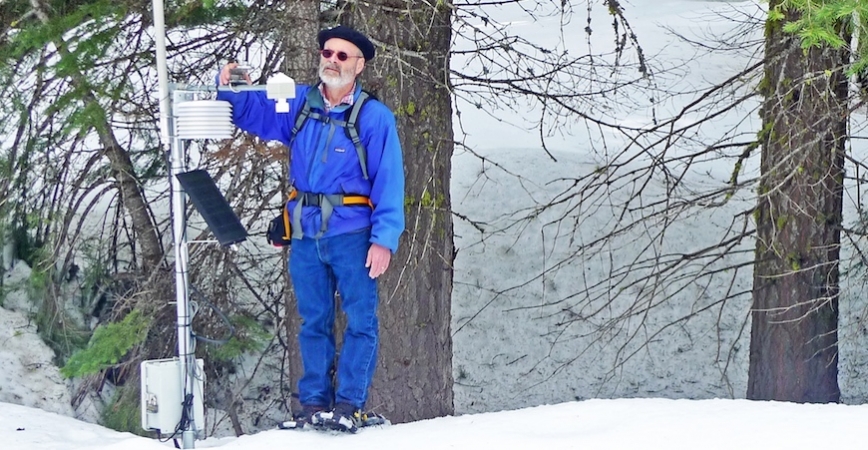
Scientists from the Sierra Nevada Research Institute, UC Merced, UC Berkeley and the USDA Agricultural Research Service have designed the first ever wireless sensor network (WSN) capable of...
Subalpine meadows are among the Sierra Nevada’s most enchantingly picturesque landscapes. These sparsely wooded, grassy expanses are home to plants and animals found nowhere else, and they play an...
Pages


