
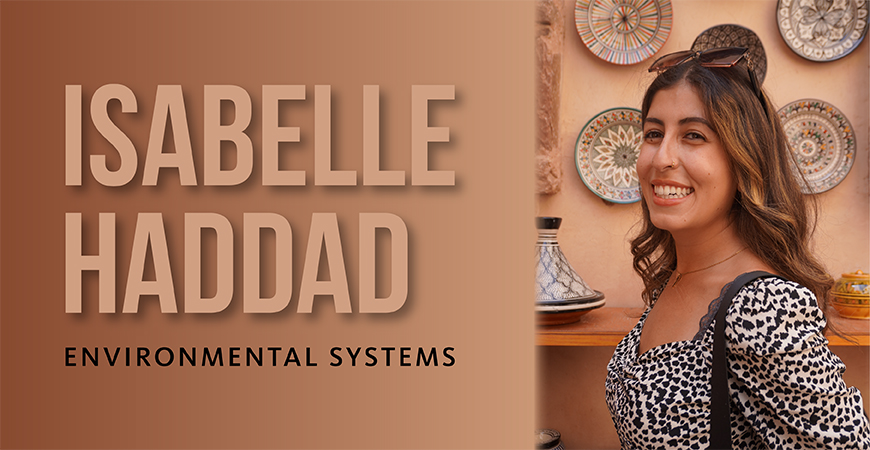
When Isabelle Haddad, a Ph.D. candidate in Environmental Systems, looks ahead to the next chapter, her future is already coming into focus.
The New York native participated in commencement in May and will defend her dissertation in August. She will then begin a one-year, full-time position on...
Earth Systems Science
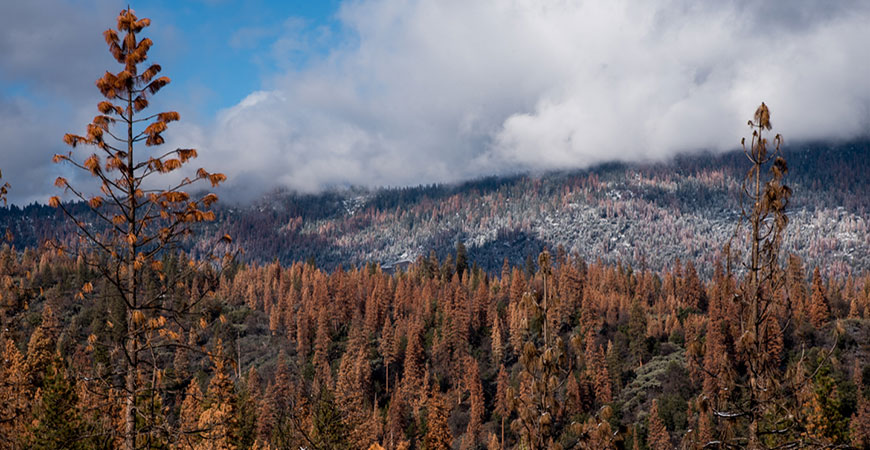
UC Merced researchers have evidence that California’s forests are especially vulnerable to multi-year droughts because their health depends on water stored several feet below ground.
“...

The French Meadows Forest Restoration Project, an innovative collaboration approved this week, aligns the expertise of the Sierra Nevada Research Institute at UC Merced, the U.S. Forest Service, the...
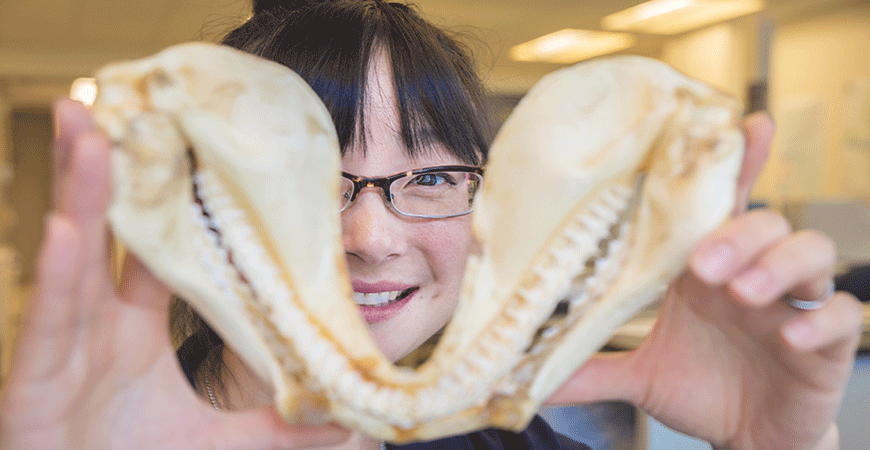
Forty million years after dinosaurs went extinct, one of the largest predators that ever prowled Earth’s oceans emerged, feeding the imaginations of modern scientists and the nightmares of...
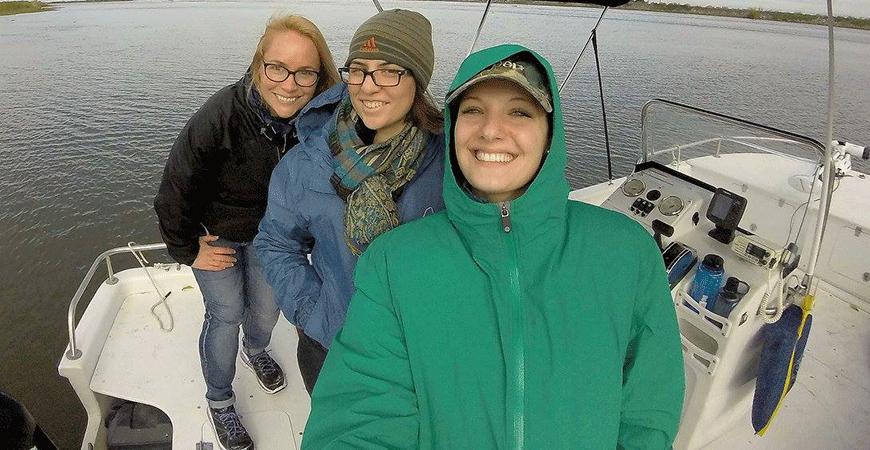
Civil and environmental engineering Professor Erin Hestir’s proposal for a unique system of mapping mercury in the waters of the San Francisco Delta has won her and her team of collaborators...
California aims to lead the nation — and the globe — in climate change research, policy and action — in large part through climate-focused research conducted at University of...
Soils are carbon sinks, storing more planet-warming carbon than the atmosphere and all animal and plant life combined.
But they can also release massive amounts of stored carbon into the...
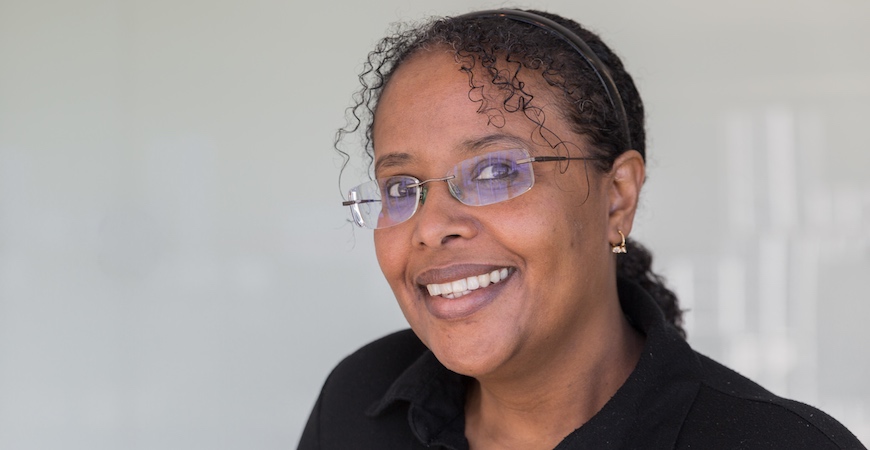
The National Academies of Sciences, Engineering and Medicine (NASEM) just announced that they’ve selected Professor Asmeret Asefaw Berhe to serve as an inaugural member of the Academies’...
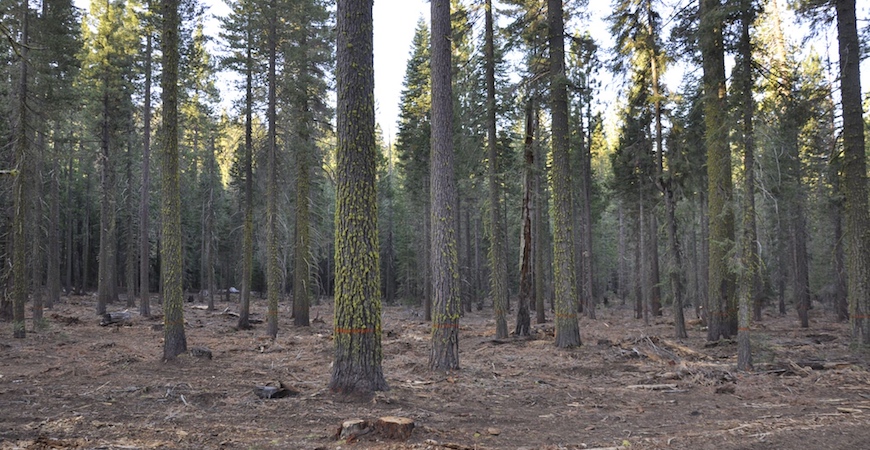
There are too many trees in Sierra Nevada forests, say experts from UC Merced, UC Irvine and the National Park Service working at the National Science Foundation Southern Sierra Critical Zone...
April is Earth Month. It’s also when UC Water Academy — an intensive course aimed at training the next generation of California water experts — starts its second year.
To mark...
Pages


