

A leading expert in soil biogeochemistry and environmental engineering, UC Merced Professor Asmeret Asefaw Berhe, brings her research and perspective to a global conversation about the future of our planet.
Berhe, the Ted & Jan Falasco Chair in Earth Sciences and Geology and director of the...
Life and Environmental Sciences
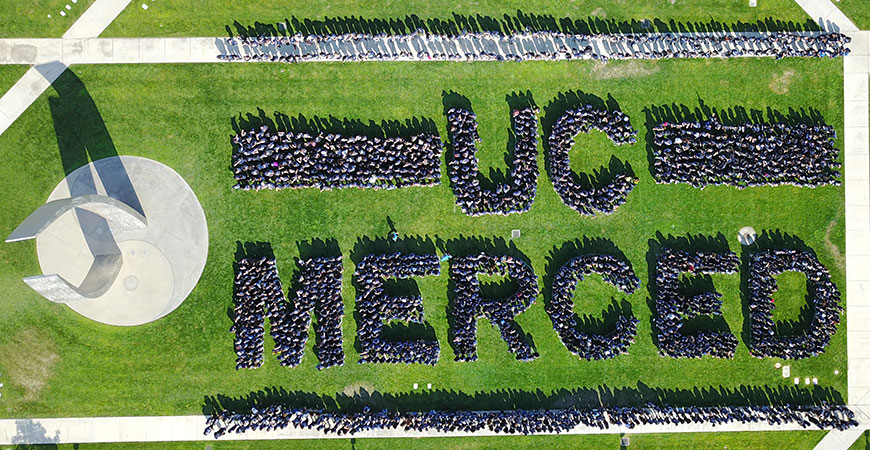
For the first time, UC Merced faculty members from each of the campus’s three schools have been chosen as principal investigators on some of the 21 exciting new projects that are being funded...
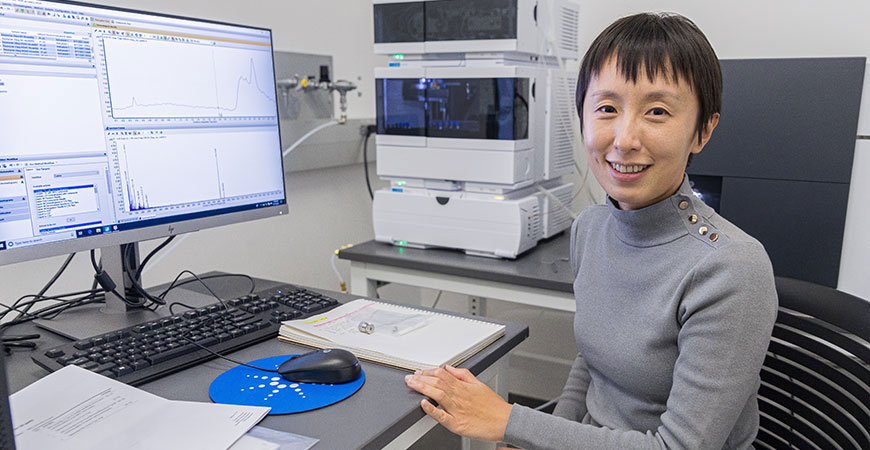
Although climate change is still a very real challenge, the past decades of efforts to reduce the effects of human activities on the atmosphere have been potent enough to have thrown off the models...
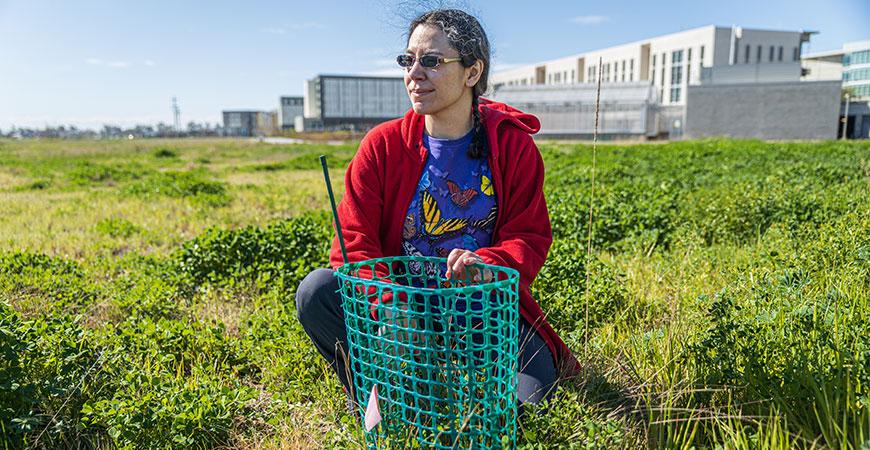
Life and Environmental Sciences Professor Emily Moran and collaborators at several other universities are set to conduct a continental-scale analysis of climate change effects on tree reproduction...
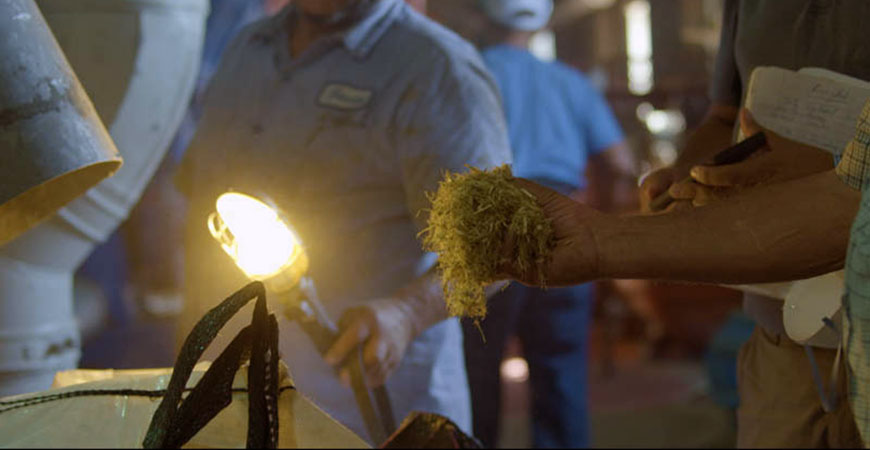
Adding even a small amount of biochar — a charcoal-like material produced by burning organic matter — to a dairy’s manure-composting process reduces methane emissions by 84%, a...
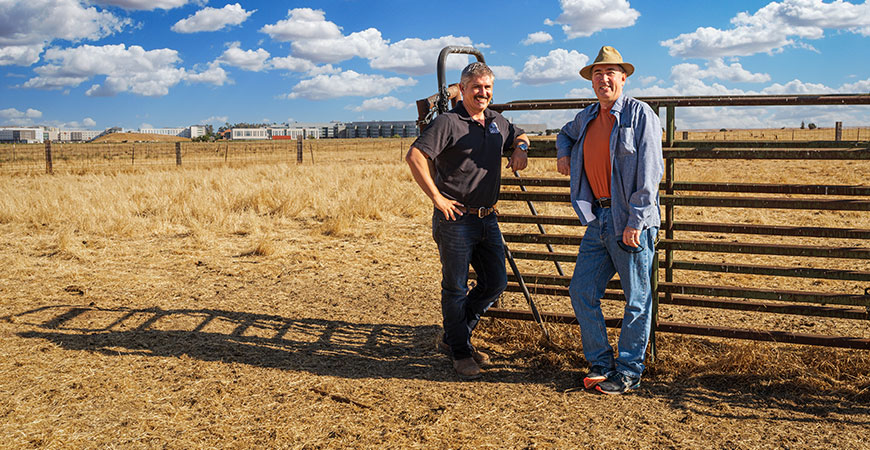
UCs Merced and Santa Cruz became the newest campuses in the system to be named an agricultural experiment stations (AES), UC President Michael Drake announced at today’s Regents’...
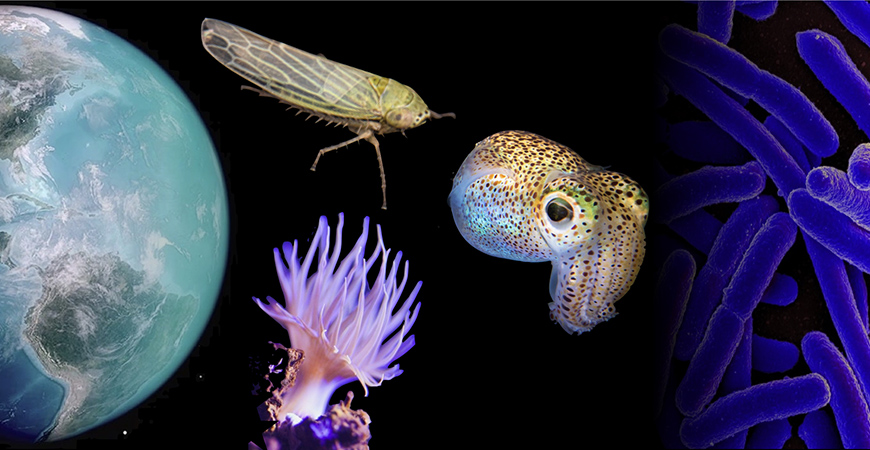
UC Merced has received a $12.5 million grant funded by the National Science Foundation (NSF) to develop the Biology Integration Institute (BII): INSITE — the INstitute for Symbiotic...

Jennifer Pett-Ridge, an adjunct professor with the Department of Life and Environmental Sciences and a researcher at Lawrence Livermore National Laboratory, has been honored by the Department of...
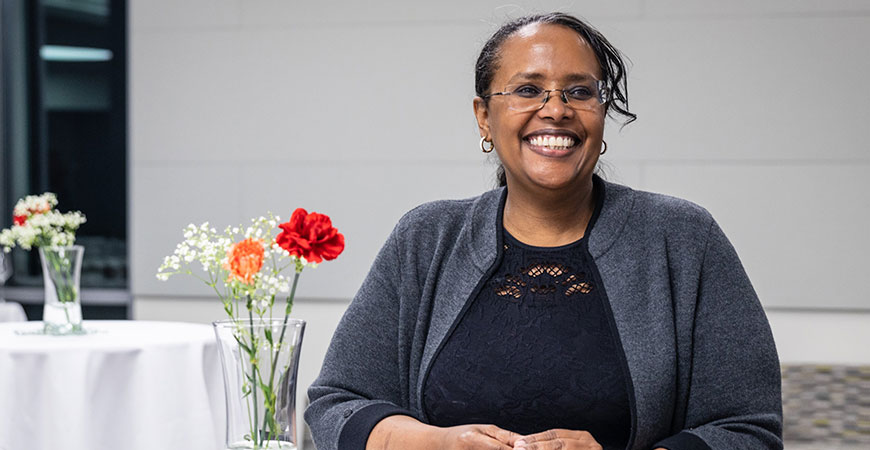
The U.S. Senate today confirmed UC Merced Professor Asmeret Asefaw Berhe to be the new director of the Office of Science in the federal Department of Energy.
The Department of Energy’s...

Undergraduates will have a new, one-of-a-kind class they can sign up for this fall — Climate Justice — a hybrid course that features lectures by faculty from all 10 UC campuses....
Pages


