
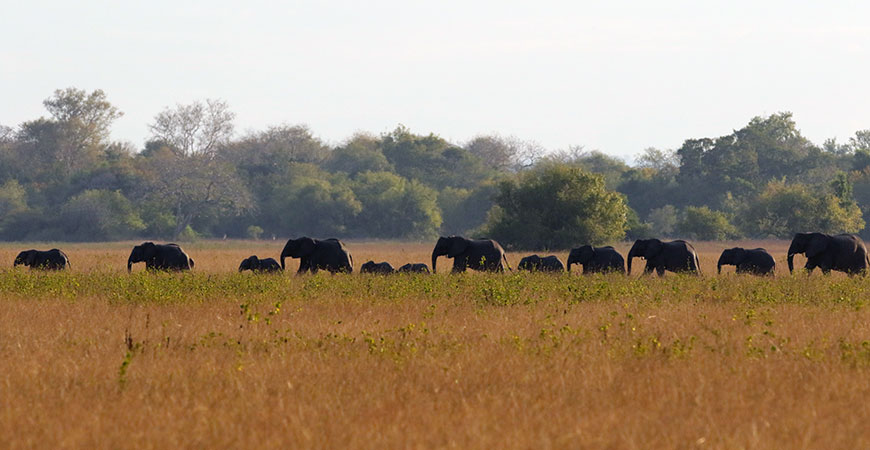
Key Points:
Elephants function as a keystone species, producing large amounts of nutrient-rich dung that sustain diverse dung beetle populations and support wider ecosystem health.
A 15-year field experiment showed that removing elephants leads to sharp declines in dung beetle...
Staff & Faculty News
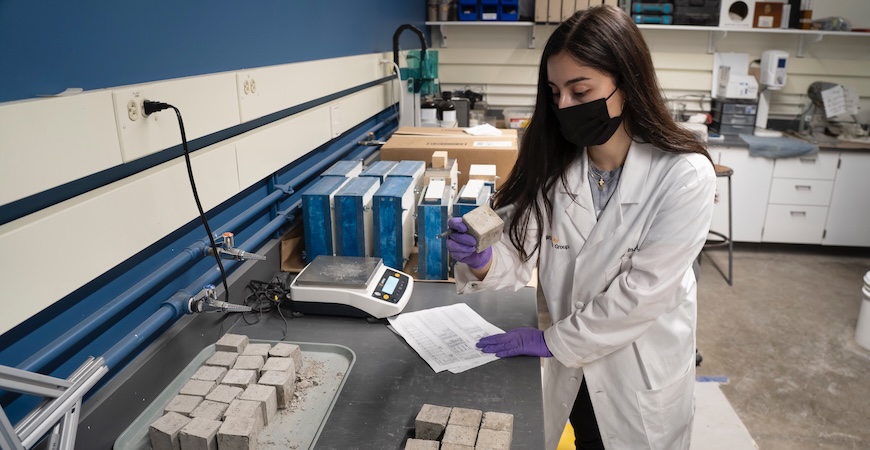
Cement is responsible for 8 percent of the world's carbon emissions. Some building companies provide ways to mitigate those emissions to try to reach "net zero" projects, so that...
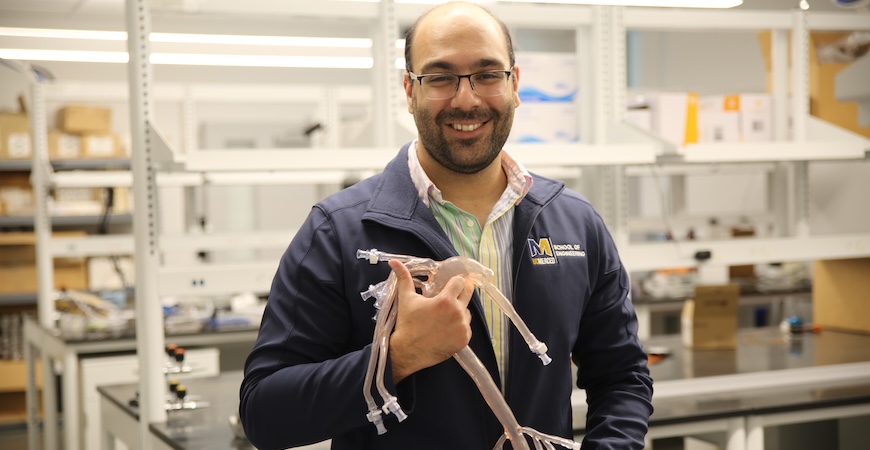
Left ventricular devices, or LVADs, are life saving for patients with advanced heart failure, a condition that affects more than 6 million Americans each year.
A UC Merced researcher has earned an...
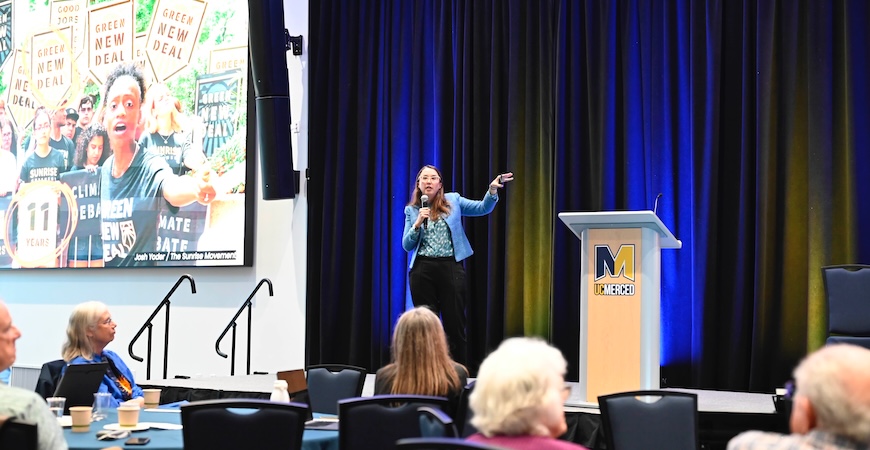
It's time to think bigger about mitigating climate change.
Measures such as recycling, turning off lights and reducing energy use are great, but making a real impact is going to take systemic...
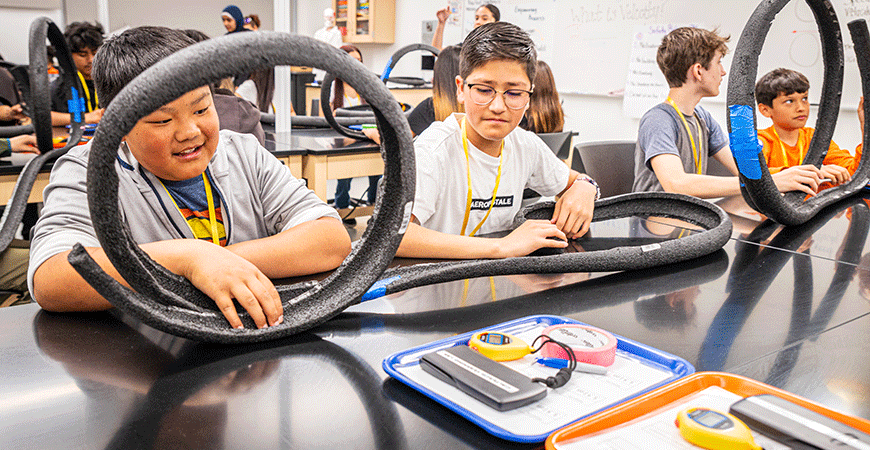
Students who arrive at UC Merced planning on specific careers often discover along the way that their interests — and strengths — are broader than they first imagined.
A new initiative...
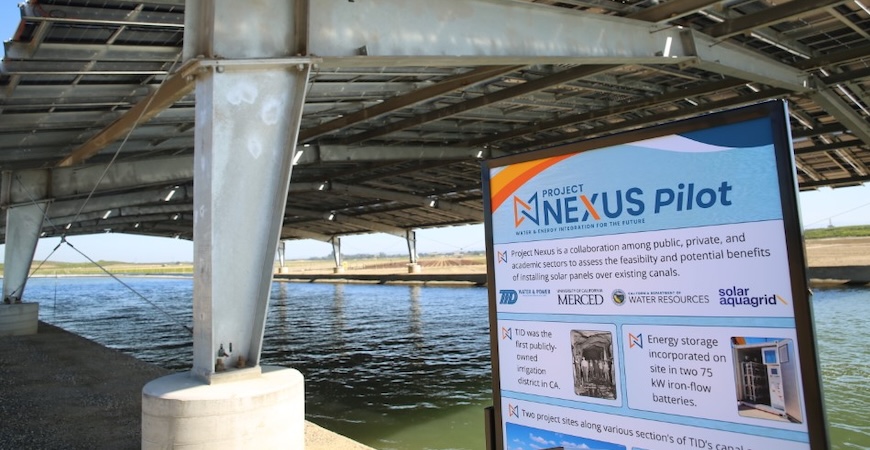
What started as a premise in a UC Merced lab culminated with a commemoration of Project Nexus, California's first solar canal project.
On Wednesday, state leaders gathered at the Project Nexus...

Avinav Biswas, a third‑year undergraduate majoring in biological sciences at UC Merced, has been named a 2026 Barry M. Goldwater Scholar, becoming the university’s first recipient of one of the...
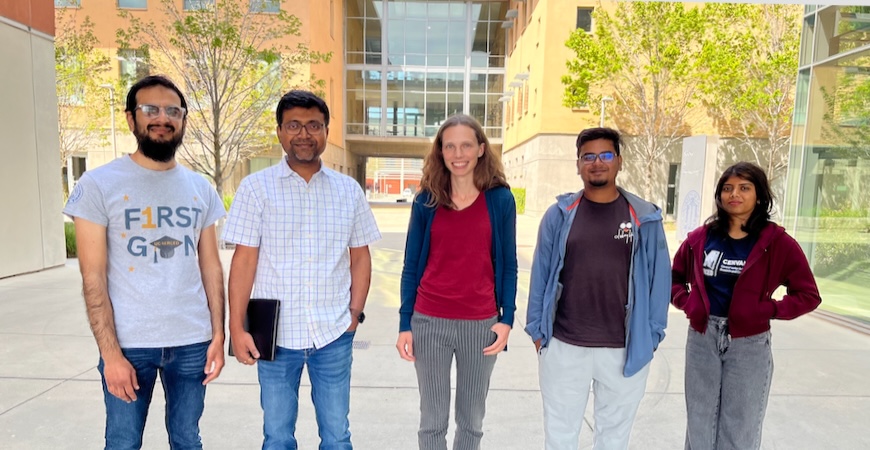
It's no secret that artificial intelligence uses a lot of electricity.
A standard ChatGPT query consumes approximately 0.34 watt-hours - roughly 10 times more than a Google search. According...

State Sen. Anna Caballero recently honored UC Merced bioengineering Professor Sushma Shrinivasan among the “Women Who Inspire” in 2026 for District 14.
According to the senator’s...

Professors Asmeret Asefaw Berhe and Ming-Hsuan Yang have been named 2025 fellows of the American Association for the Advancement of Science, the world’s largest general scientific society and...
Pages


