
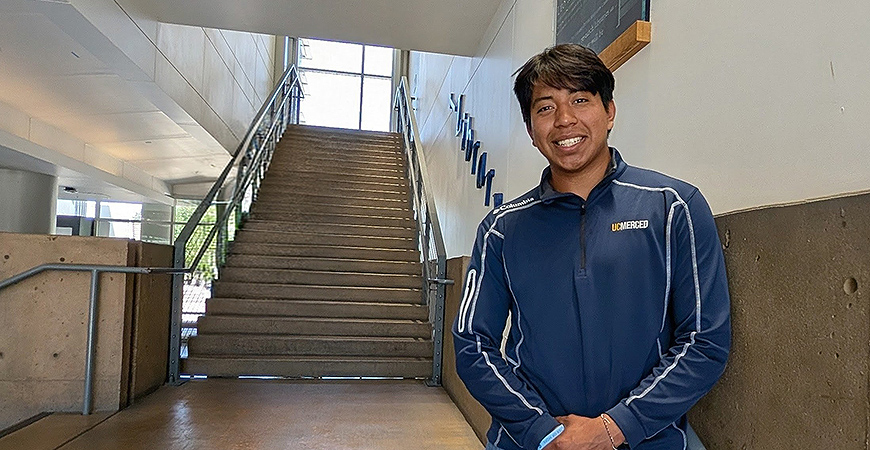
When first-generation mechanical engineering student David Miguel arrived at UC Merced, he had no research experience, but a passion for engineering and a desire to learn.
A former foster care youth from Los Angeles, Miguel had limited resources to pursue science, technology, engineering and...
Science

Physics Professor Linda Hirst has been elected a fellow of the American Physical Society (APS) by the APS Council of Representatives at its most recent meeting. This is the second consecutive year...
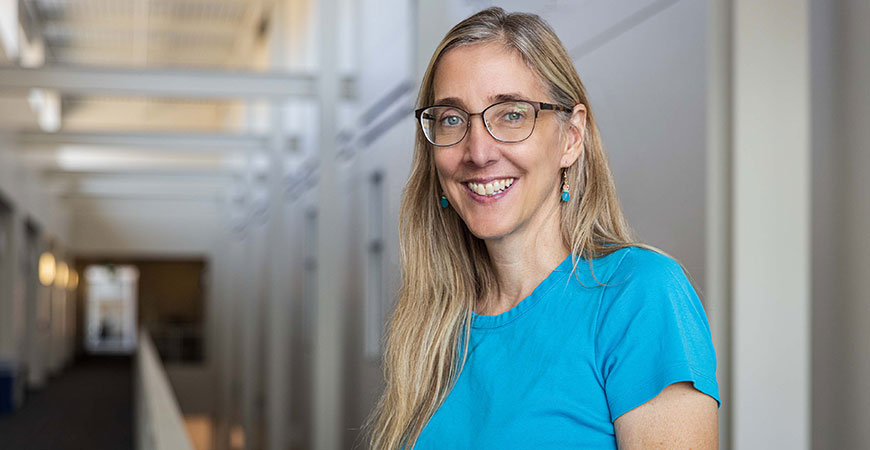
An HIV-inhibiting silk film designed to advance prevention and help end the AIDS epidemic in countries in Africa, developed by UC Merced Professor Patti LiWang, has met recent success at the...
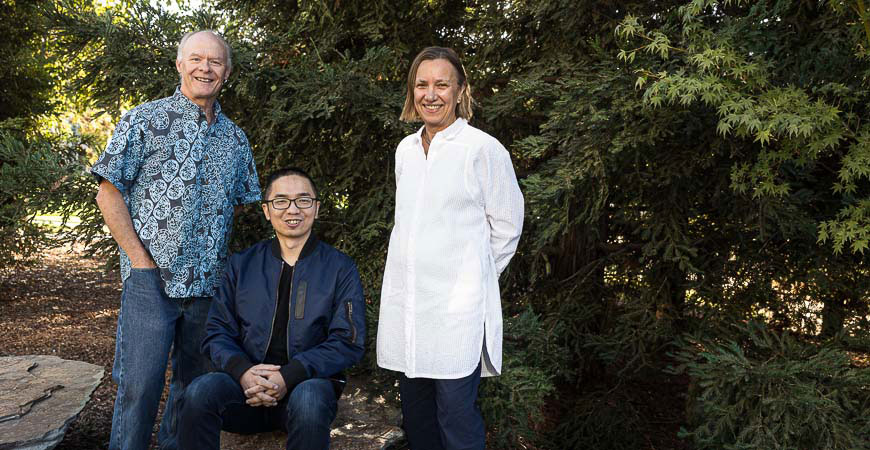
A group of UC Merced researchers are working with the California Air Resources Board (CARB) to find out how much greenhouse gas emissions could be reduced just through land-management strategies....
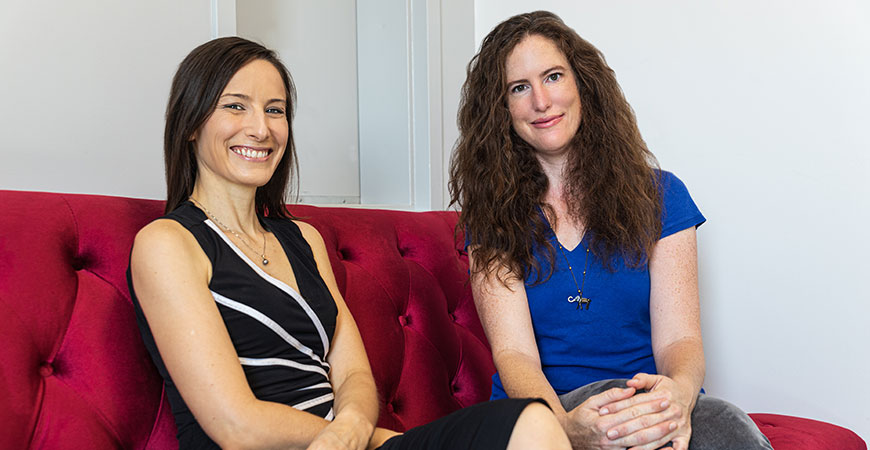
Dark matter and the life cycles of star clusters will come into focus as UC Merced’s astrophysicists get resources from the two space telescopes soon to be exploring the universe.
NASA...
Daily cycles in virtually every aspect of our physiology are driven by biological clocks (also called circadian clocks) in our cells. The cyclical interactions of clock proteins keep the biological...
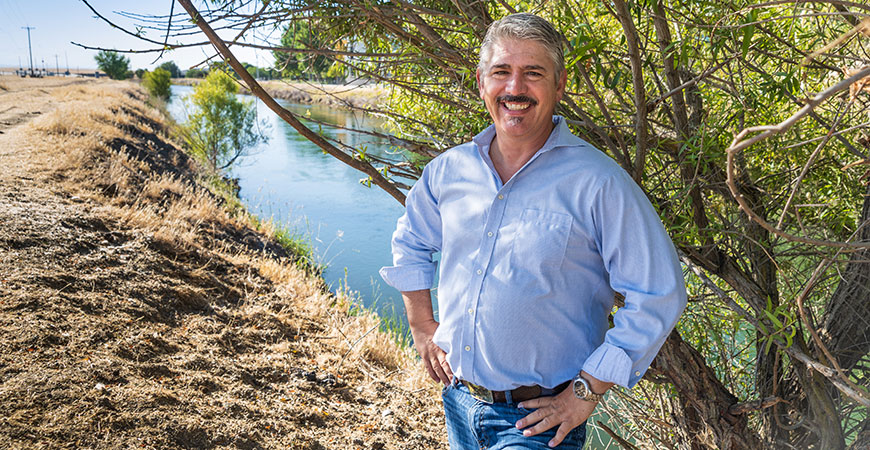
UC Merced’s largest research grant in its 16-year history aims to improve agricultural and environmental water resilience. The new $10 million collaborative focuses on water banking, trading...

A new study by faculty members and students in UC Merced's Department of Cognitive and Information Sciences takes a closer look at the sympathy people have for one another. The...
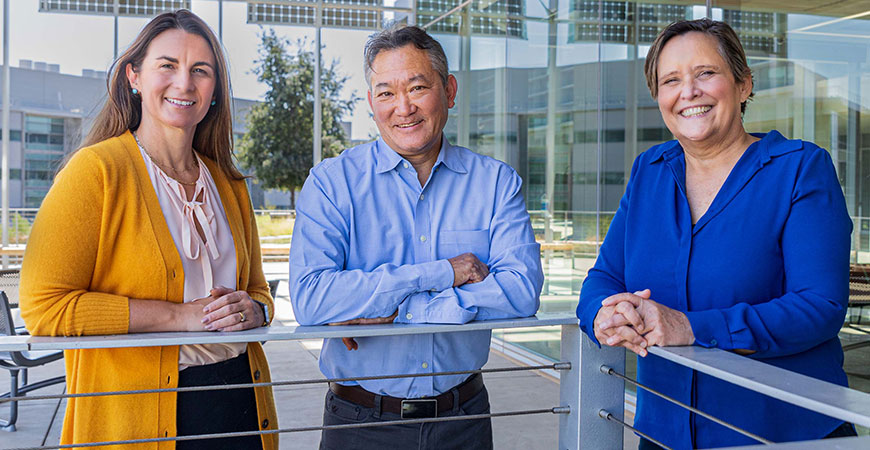
Cartilaginous fishes such as sharks and skates have a sixth sense, but it’s not ESP — it’s electrosense. Such fishes use hundreds or thousands of specialized organs to sense prey...
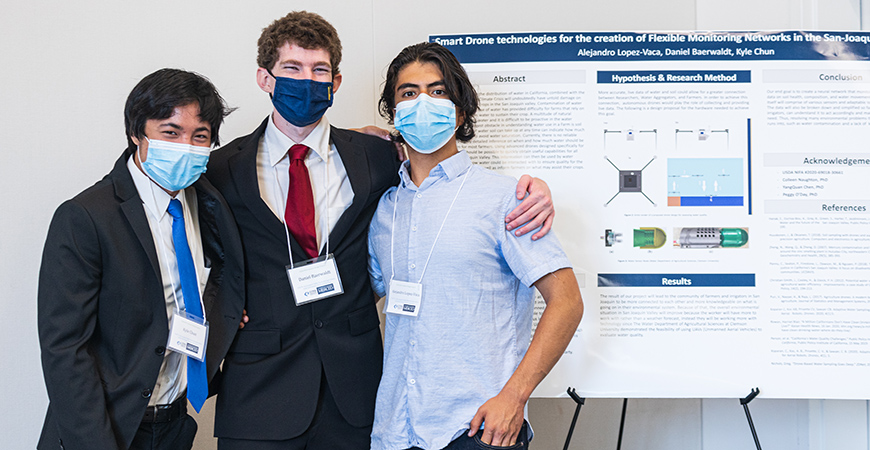
Shortly before the fall semester kicked off in person, 11 students were wrapping up their first summer on campus as part of the FACTS summer bridge program.
FACTS stands for San Joaquin Valley...
Pages


