

UC Merced doctoral candidate Adekunle “Kunle” Adewole has been selected as a 2026 Lindau Nobel Laureate Meetings Fellow.
Adewole was also chosen as one of 18 participants in the Baden-Württemberg International Post Meeting Programme for Young Scientists.
“I keenly...
School of Natural Sciences
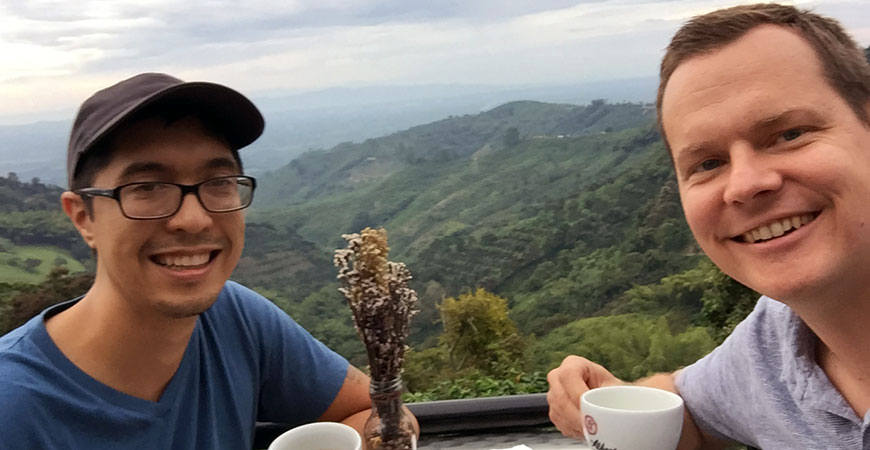
Creating vaccines to train the immune system against parasites is particularly challenging. They are also highly specialized masters of immune evasion.
Some parasites can secrete proteins that...
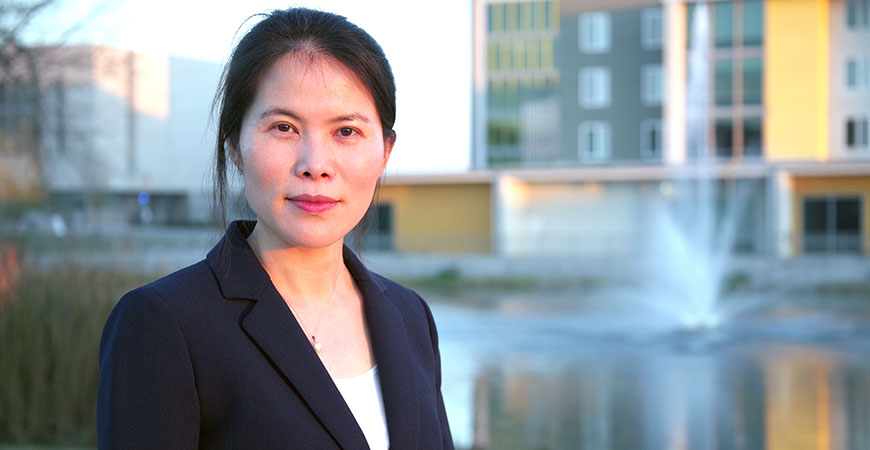
Professor Xuecai Ge, a developmental neurobiologist, has received a CAREER award for research to gain insight into the molecular mechanisms that direct brain formation, and how errors in cell...
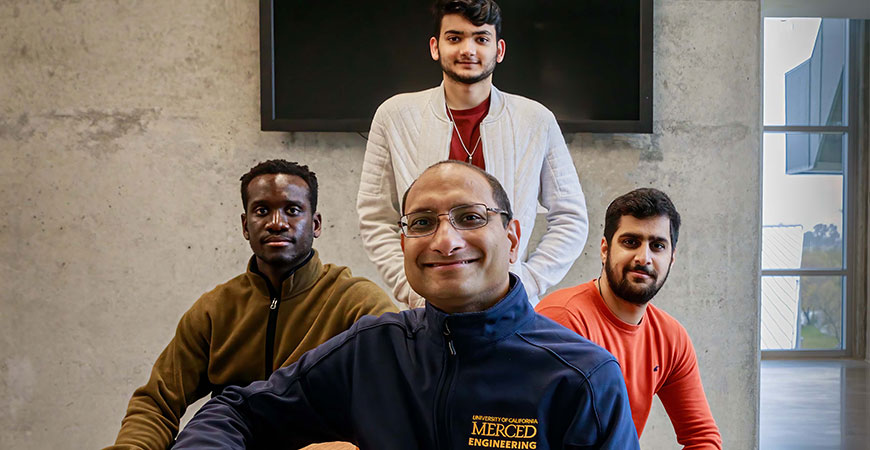
Mechanical engineering Professor Sachin Goyal has received a CAREER award for his research into how the arrangements of atoms and interatomic bonds affect the deformability of biological...

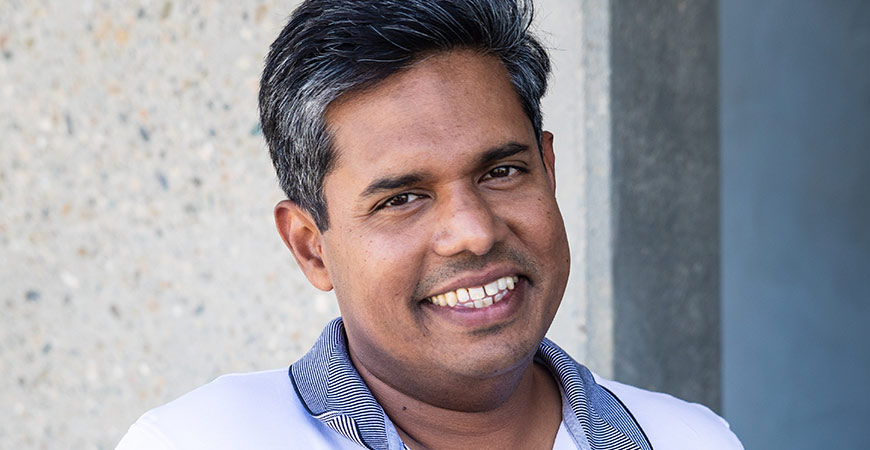
Professor Ajay Gopinathan has been elected the next vice-chair of the Division of Biological Physics (DBIO) of the American Physical Society (APS), the world's largest organization of physicists...
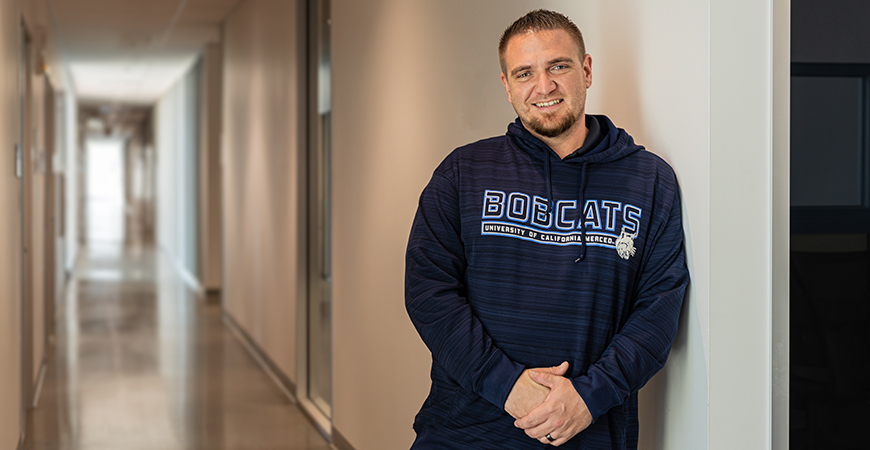
In his early 20s, Cory Mccullough battled addiction and stole to support his habits. The Dos Palos native spent several stints in prison as early as 2011 for commercial burglary. Education was the...
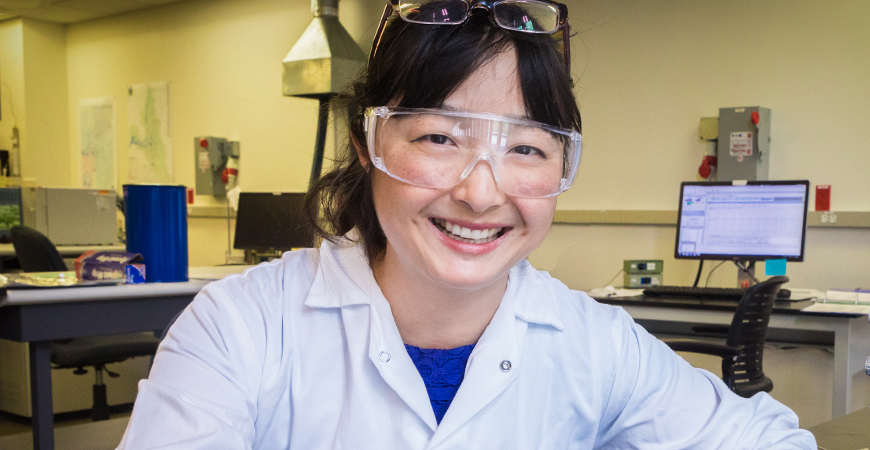
A team of eight scientists from around the country is organizing a new project to foster belonging and participation among Asian American and Pacific Islander (AAPI) students in the geosciences...
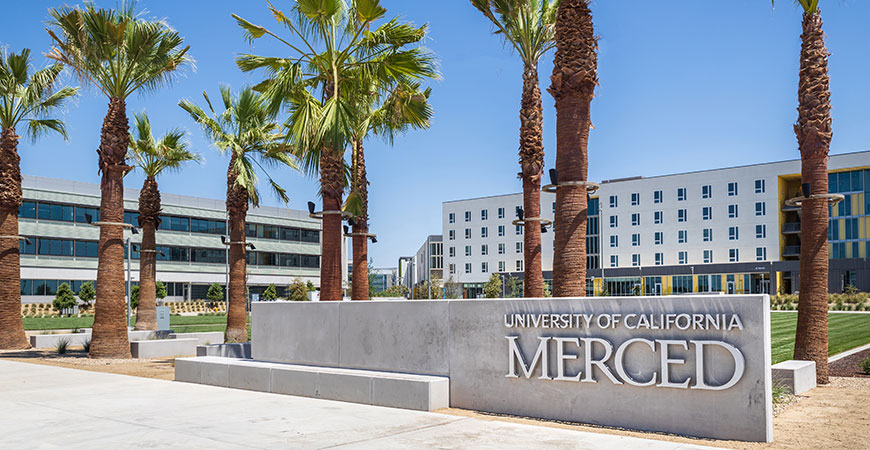
UC Merced has earned the distinction of ranking No. 20 among the world's Rising Young Universities, according to the just-released Nature Index 2021 Young Universities — the only U.S...
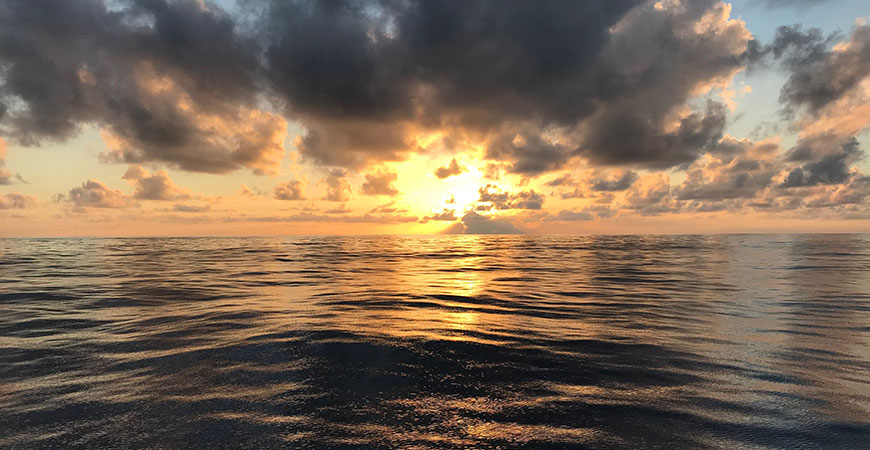
Even the tiniest organisms have a surprisingly huge effect on life in the oceans, eating up the last bits of oxygen in certain areas, preventing larger marine life from surviving there, a new study...
Pages


