
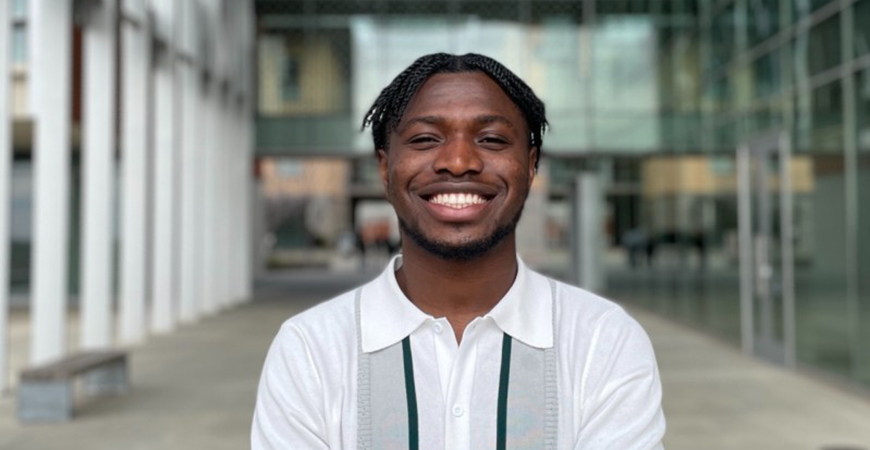
UC Merced doctoral candidate Adekunle “Kunle” Adewole has been selected as a 2026 Lindau Nobel Laureate Meetings Fellow.
Adewole was also chosen as one of 18 participants in the Baden-Württemberg International Post Meeting Programme for Young Scientists.
“I keenly...
Research
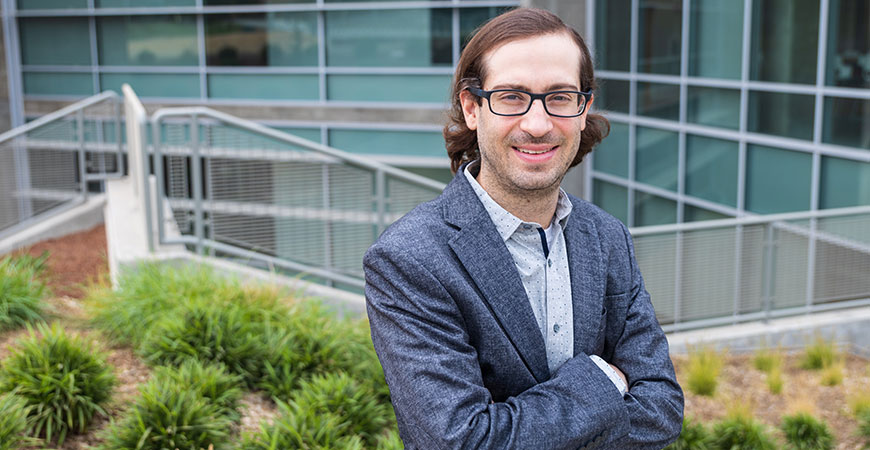
Professor Michael Thompson doesn’t usually work in immunology or drug development. But his use of X-ray crystallography — research that visualizes the structures of protein molecules to...

Rosa D. Manzo, Ph.D., associate director of medical education and a project research scientist, has co-authored a new book on community-based and community-engaged research.
“Cultura y...
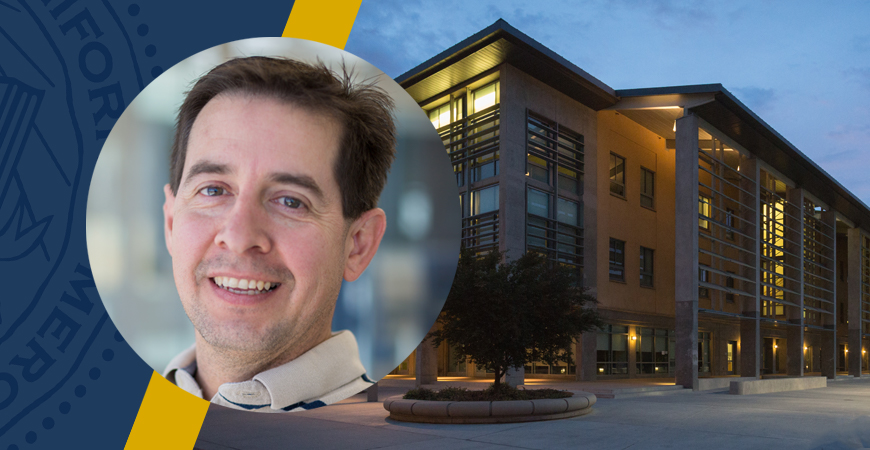
About 35 percent of Americans have metabolic syndrome, a group of risk factors that raises the risk of cardiovascular disease — the leading cause of death in the United States.
If you have...
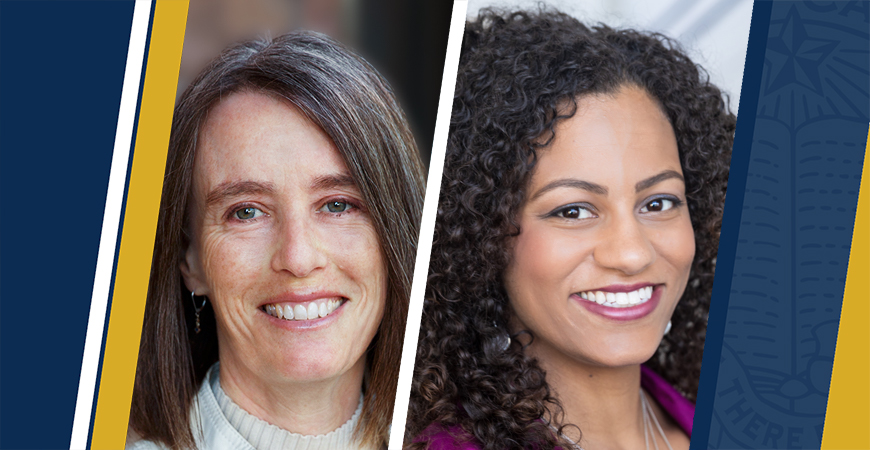
Two female faculty members of UC Merced’s School of Social Sciences, Humanities and Arts (SSHA) have been named the John D. and Catherine T. MacArthur Foundation chairs, making four prestigious...
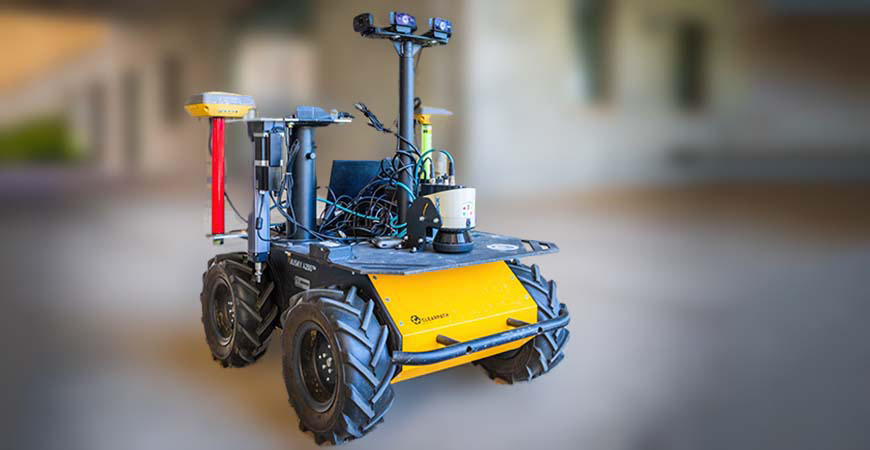
One of the biggest challenges in managing crops, especially in large fields, is knowing how much water each section of a field needs. Determining that accurately is a cumbersome process that requires...
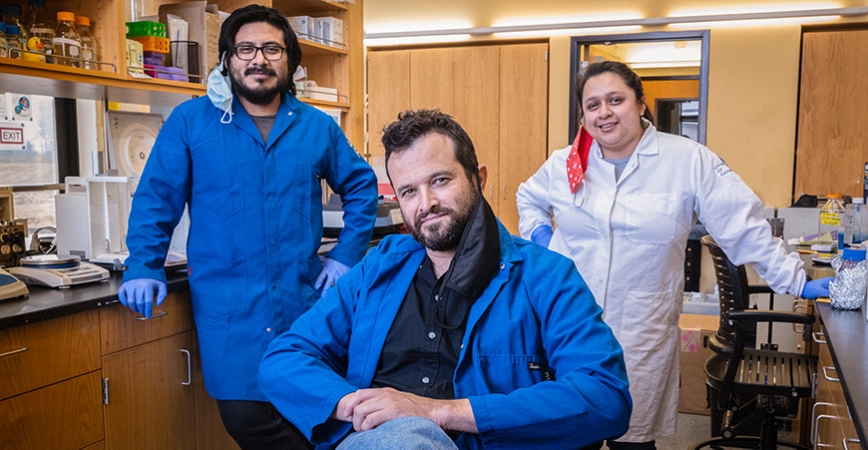
Biophysical chemistry Professor Shahar Sukenik and the graduate students in his lab are trying to make sense out of what might seem to some to be chaos. They aim to better understand how a series of...
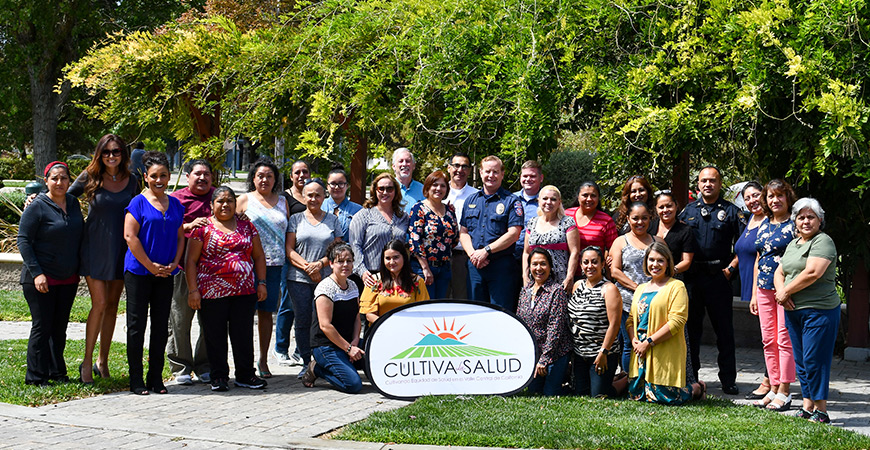
A new coalition of universities and community partners across the state — including UC Merced —aims to address the COVID-19 pandemic in communities that are disproportionally affected...
UC Merced doctoral student Xueting Li was selected to participate in Rising Stars 2020 Academic Career Workshop for Women in Electrical Engineering and Computer Sciences, which will be hosted by UC...
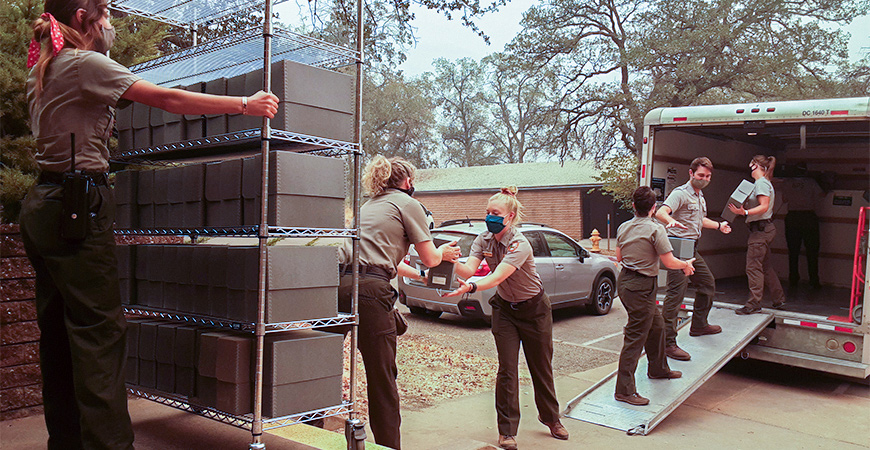
Ward Eldredge warily monitored the fire’s progress. As curator of the archives of the Sequoia and Kings Canyon National Parks, he deliberated what would need to be done if the nearby Castle...
Pages


