
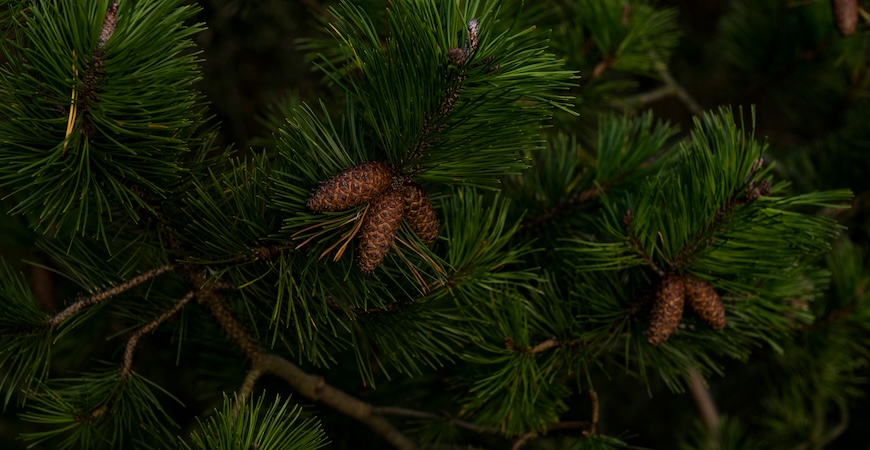
Everyone recognizes the sharp, clean fragrance of pine needles.
But that's not just a pine forest or a Christmas tree we're smelling - it's the aroma of thousands of microscopic partners working quietly on every needle, helping shape the health of entire forests...
School of Natural Sciences
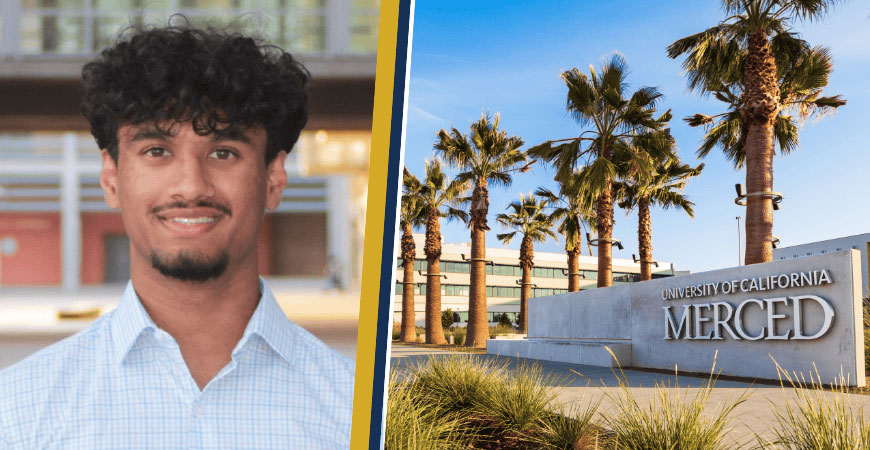
Avinav Biswas, a third‑year undergraduate majoring in biological sciences at UC Merced, has been named a 2026 Barry M. Goldwater Scholar, becoming the university’s first recipient of one of the...
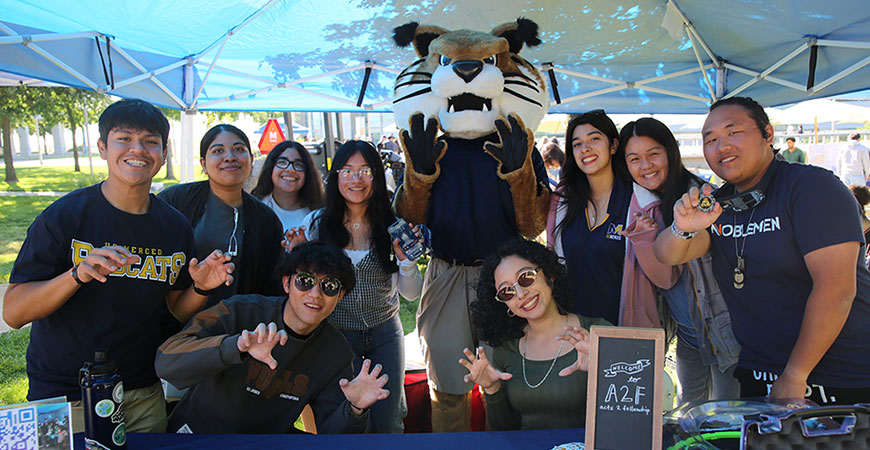
A throng of people came to UC Merced on a crisp, blue-sky Saturday for Bobcat Day. More than 7,000 were registered to attend the April 18 event for admitted and prospective first-year and...
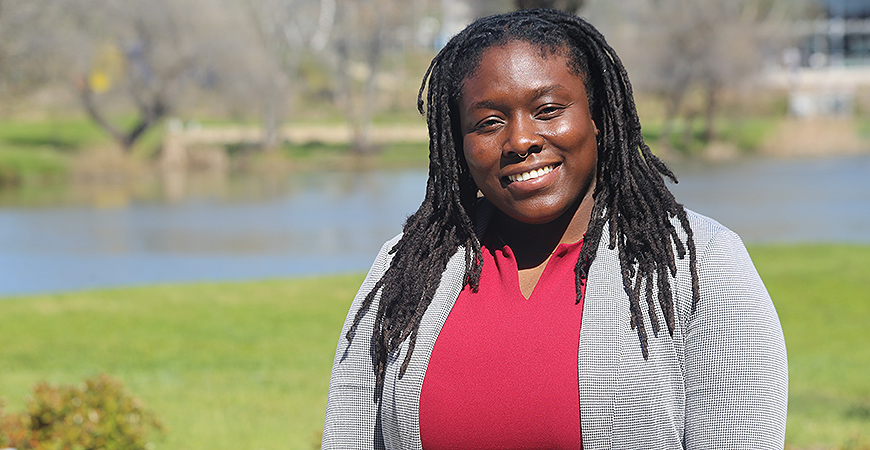
Nervous but prepared, Tahirah Williams took the stage at UC Merced’s Grad Slam competition in March and delivered her three-minute talk, “More Than Slime: When Mucus Meets the Valley...
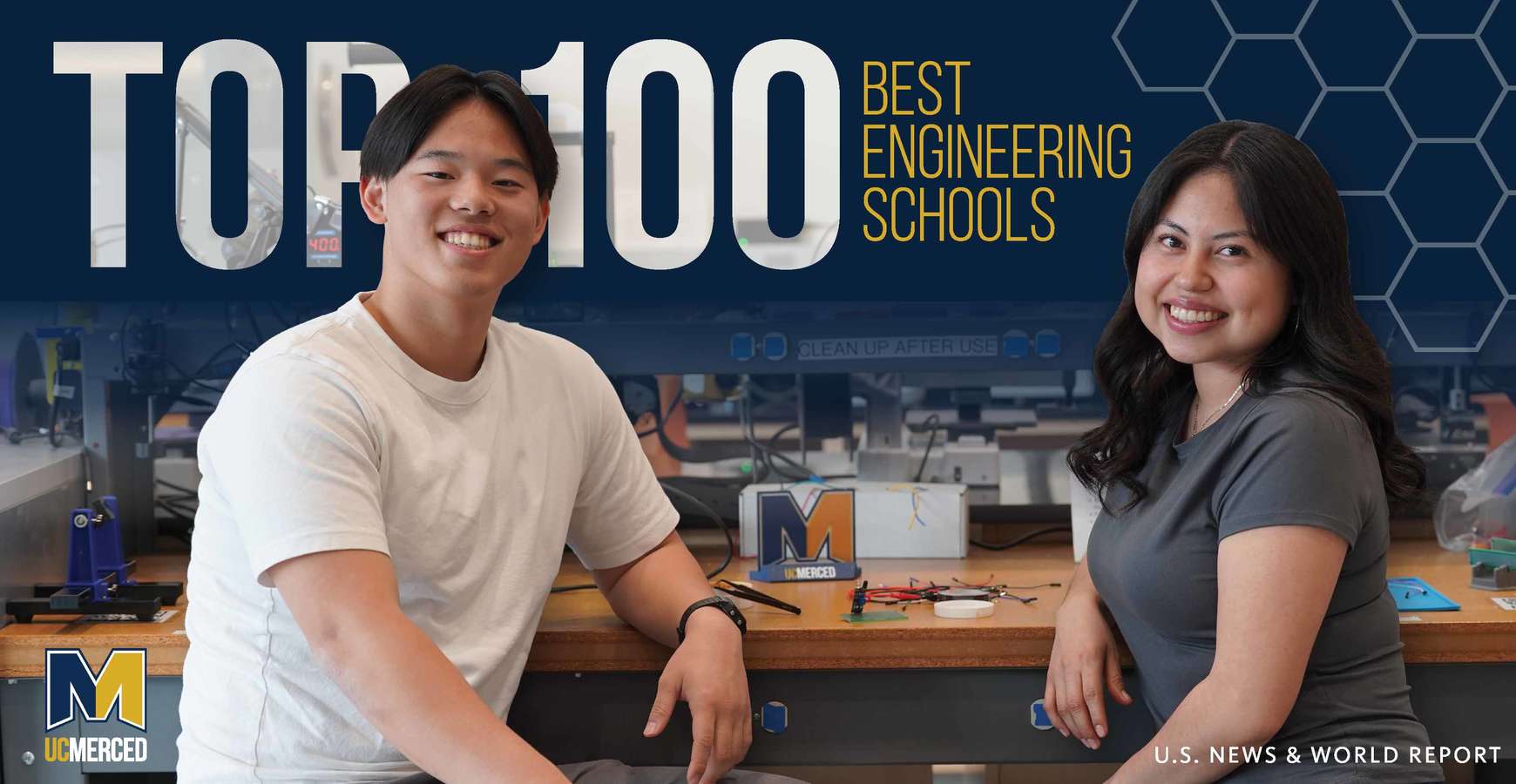
UC Merced saw broad gains in the U.S. News and World Report 2026 Best Graduate Schools rankings with graduate programs rising in national standing, reflecting the campus’s growing academic and...
Professors Asmeret Asefaw Berhe and Ming-Hsuan Yang have been named 2025 fellows of the American Association for the Advancement of Science, the world’s largest general scientific society and...
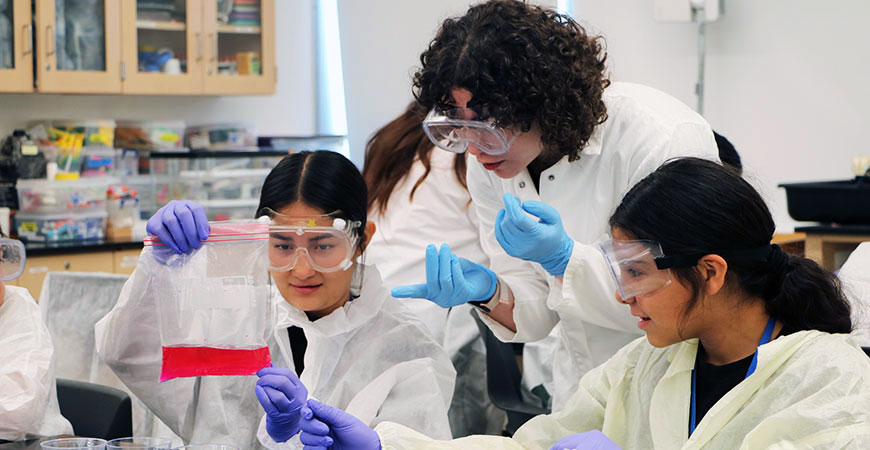
UC Merced’s CalTeach program is opening new pathways for younger students to experience hands-on science, technology, engineering and math (STEM) learning, academic support and early exposure...
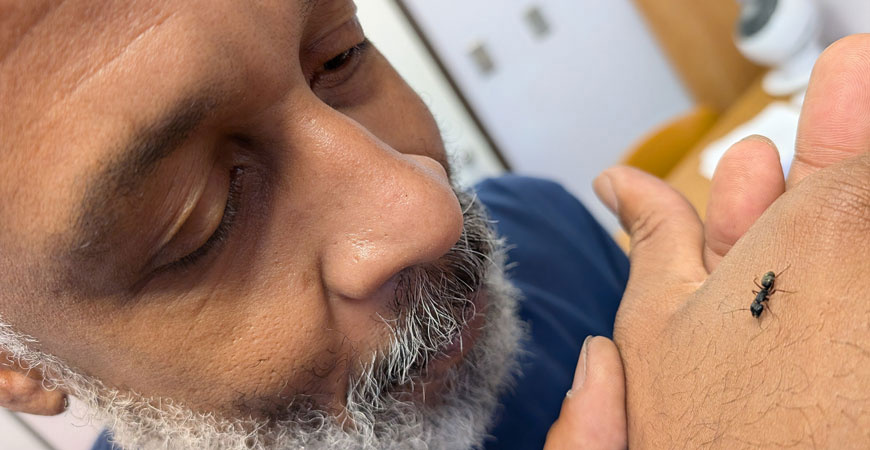
On most days, Reo Maynard’s life swings between two ecosystems: the microscopic world inside an ant’s gut and the sprawling one that stretches from Fresno to the Sierra Nevada mountains...
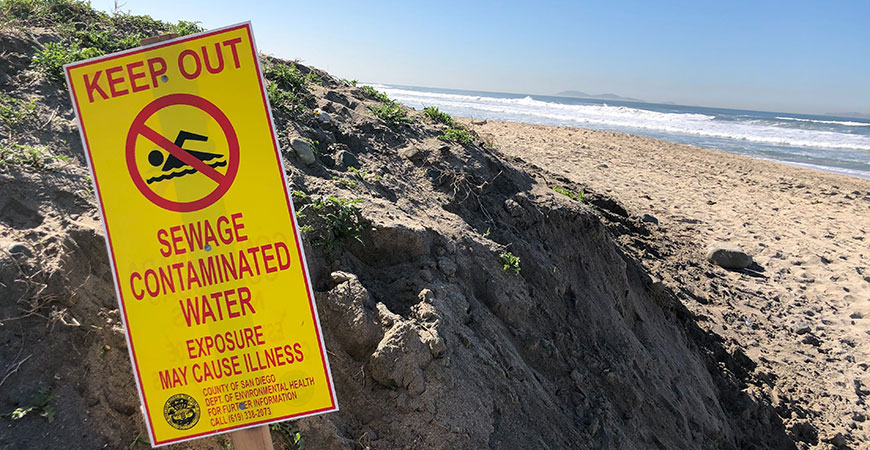
Although the oceans are the least explored places on the planet, even their depths are not untouched by humans.
Drawing on more than 2,300 seawater samples collected across the Pacific, Atlantic...

UC Merced has received a $1 million grant from the Gordon and Betty Moore Foundation to strengthen postdoctoral fellowships and expand research in the natural sciences. Awarded through...
Pages


