
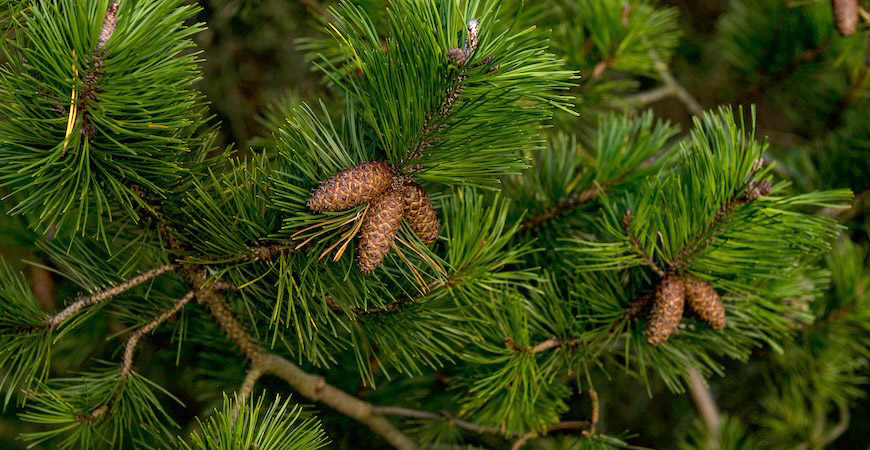
Everyone recognizes the sharp, clean fragrance of pine needles.
But that's not just a pine forest or a Christmas tree we're smelling - it's the aroma of thousands of microscopic partners working quietly on every needle, helping shape the health of entire forests...
Research

It’s time for the annual celebration of one of the main missions of UC Merced, along with education and public service — research.
From March 6-10, people on and off campus can...
The National Cancer Institute’s “cancer moonshot” tasks researchers with, among advancing other new biotechnologies, delving into immunotherapy and epigenomic analysis.
UC Merced Professor Fabian V....
If you want to know what the ocean really smells like, you’ll have to ask a crab.
Yes, crabs have a sense of smell.
In humans, chemicals in the air flow into our nasal cavities...
It might come as a surprise that, in a region where agriculture is so prevalent, many people in the San Joaquin Valley cannot afford fresh, quality produce or live too far from grocery stores,...
The depth and breadth of post-diagnosis care for cancer patients often depends on the resources available to them.
But a new paper in the journal PLoS One by UC Merced Professor Nancy Burke shows...
Everyone is invited to hear UC Merced Professor Clarissa Nobile, this year’s Pellissier Distinguished Speaker, discussing biofilms.
“Microbial Films: Why are They Important? How do They Form? And...
Infants as young as 20 months of age expect adults to display surprise when discovering a false belief, according to a new study from UC Merced Professor Rose Scott.
Previous research suggested that...
In recent publications, Professor Vincent Tung proves that inspiration for advancements in materials science can come from anywhere — even the merging of raindrops on a windshield or the sheeting of...
Researchers at UC Merced are playing key roles in the new UC Valley Fever Research Initiative, studying how the Valley fever fungus, Coccidioides immitis, causes disease in its mammalian hosts, and...
Pages


